
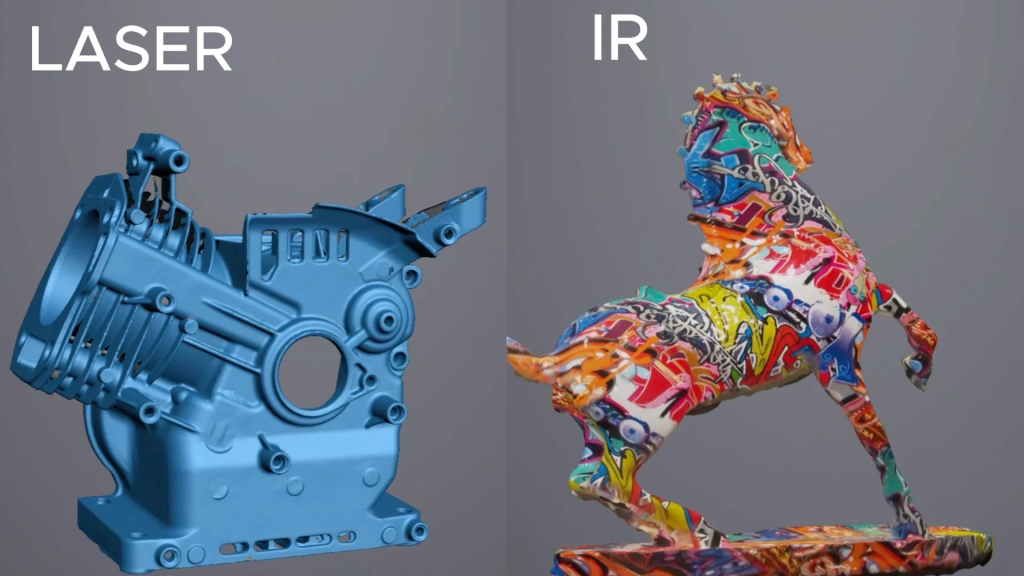
3d scanner for printer are used to digitize physical objects, fuse the surface data, and create digital 3D models of objects. Instead of creating 3D models from scratch, users can scan a model and create a digital version of that model. The scanner captures data from the surface of the object, and software does the rest by processing the data and creating a digital 3D model.
How the Scanning Process Works
The first step in most 3D scanning operations is determining the best way to position the object with the surface facing up. There are various methods that use light in a structured, laser, or other optical way to capture measurements. Once measurements are collected, the scanner provides a surface of the object with many points. Specialized software combines these points to form a digital representation of the object.
From Physical Object to Digital Model
The conversion of a physical object to a digital object in a digital environment is the greatest strength of scanning processes. Consider an example where an old mechanical component sounds like a good candidate for reuse, however, there is no original design file. It may be difficult to capture all the complex curves. 3D scanning can capture the overall curves and save time in designing the digital component. The scanned object can be further analyzed, modified, or redesigned prior to adding it to the manufacturing or printing workflow.
Importance of Scanner Accuracy
If a scan is to be mated with another part or component, then scan accuracy is of utmost importance. Although an impressive scan may be visually pleasing, it may not necessarily be accurate enough for your specific engineering needs. A difference of just a few microns can cause inaccurate results if a given part or component needs to mate with several other parts or components. When considering whether to buy a scanner, the level of accuracy that a scanner is capable of is more important than just the overall scan quality.
Why Scanning to CAD Matters
Scan to CAD is incredibly useful in processes that require reverse engineering. Scanning a physical component into a digital format within a CAD program can save time. Many older components become obsolete with no original documentation, leaving older technology companies in a bind. Rather than attempting to create everything digitally from ground zero, a scanned physical component can be used as a reference to digitally reconstruct and create a digital file. This technology also helps in manufacturing, the inspection of components, designing replacements, and designing products as a whole.
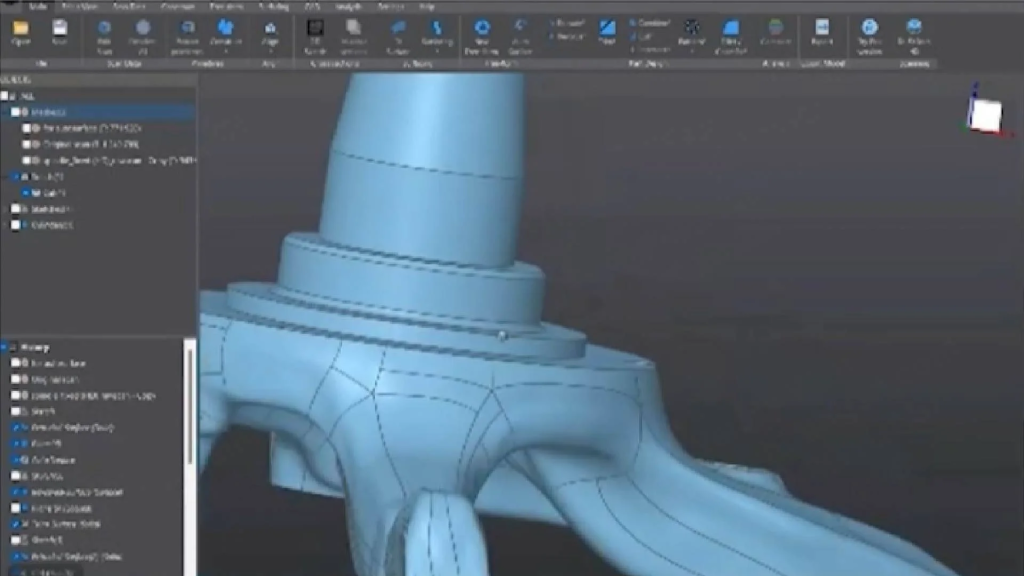
The Process of Scan to CAD
One of the most common uses of this technology is the process of reverse engineering. To begin, a physical component is scanned to capture its shape and dimensions. Designers then leverage this scan to create the required CAD model. This technology is beneficial for building custom components, aftermarket replacement parts, and lost or unavailable original design instructions.
Scan to CAD for Replacement Parts
The simplest method of creating replaceable parts it to scan the original product, provide the scanned data to a designer, and have them build a new part around the original design. This works well because even broken parts often still provide useful data on original design dimensions.
Scan to Improve Products
Scan data is also useful in creating better products. If a company is interested in a newer version of a product that they sell, but doesn’t have access to the original CAD data, the best next step is to scan the product. With the scan data, designers are free to change the dimensions to refine design features and fit, or to replace components in order to better serve the original product’s function.
Quality Inspection With 3D Scanning
Inspection relies on 3D scanning. By scanning a part, we can inspect whether or not that part matches its designed geometry. In the case of 3D scanning a manufactured part, variations reflect areas of the part where physical shape has changed or where the result of the manufacturing process is outside of the defined geometry. Manufacturers gain insights of the quality of their production processes and can resolve the issues early on when comparisons of scan data are made.
Automotive and Mechanical Applications
3D scanning technology enables labor-free, precise measurement of all complex automotive and mechanical components. With scanning of body panels, brackets, housings, engine components, and custom fabrications, scan to CAD workflows yield priceless digital artifacts for design and engineering. The degree of accuracy is defined by the particular application.
How to Get Better Results
Getting Better Results doesn’t always hinge on buying top equipment. Better results usually come from a finicky workflow. Rushing through any of the steps in the cleanup process will likely worsen results. Conversely, the value of each step cannot be overstated, mistakes made in any step of the process can be magnified when the data is translated into digital 3D CAD or prepared for 3D printing.
Final Thoughts
A 3D scanner for printers can capture 3D data associated with physical artifacts, whereas a scan to CAD capability can extend those offerings to a design context. Together these tools include reverse engineering, custom fabrications, product design, prototyping and production, inspection, and a customized product offering.
FAQs
Is scan to CAD used in reverse engineering?
Yes. Scan to CAD is used when a physical part is accessible but the original CAD design, drawing, or file is not.
Are shiny objects difficult to scan?
Somewhat. Optical scanning systems have a difficult time scanning reflective, transparent, or dark objects. Scanning these objects can be improved by proper preparation.
Can novice users operate a 3D scanning system?
Modern systems do not require the advanced skills of older scanning systems. However, users still need to learn how to scan, align, clean, and model prepare.
Is 3D scanning a good option for replacement parts?
Yes, 3D scanning can be a good option for replacement parts. A physical replacement part is easily scanned, and a new digital model can be created using the scanned reference.