
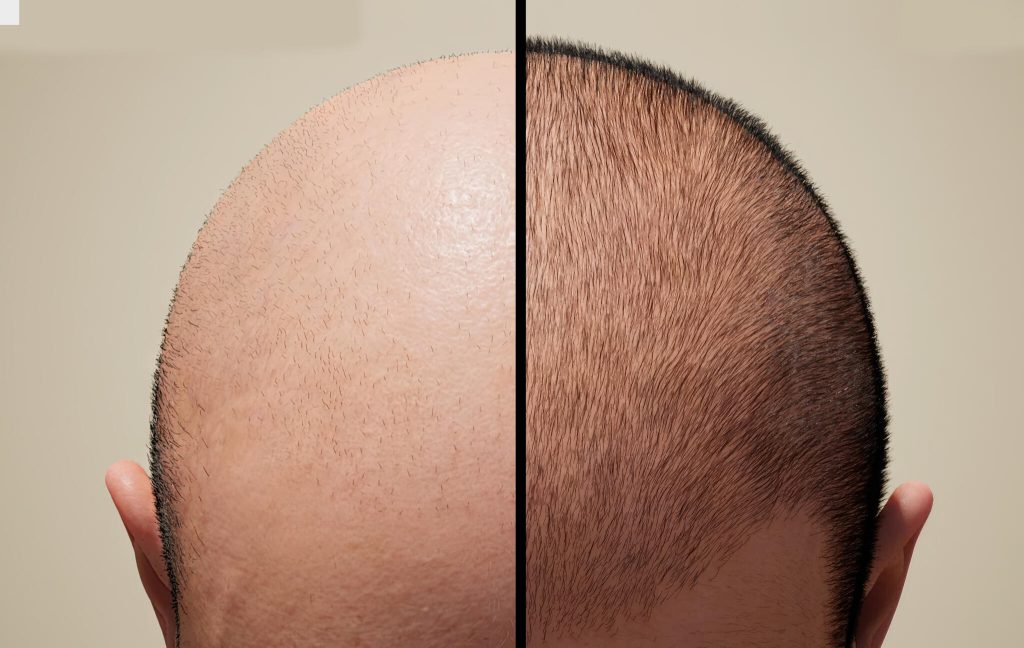
Hair restoration has come a long way over the past two decades, yet misconceptions still surround the procedure. Many people delay treatment because of outdated ideas or misleading information. Knowing the truth about these common myths can help people make smart choices and have realistic hopes when it comes to restoring their hair.
Myth 1: Hair Transplants Look Unnatural
One of the most persistent myths is that hair transplants result in an obvious or artificial appearance. This belief stems from early techniques that produced visible plug-like results. Modern procedures focus on precise follicle placement, natural hairline design, and angle control. When performed correctly, transplanted hair blends seamlessly with existing hair, making the outcome difficult to detect.
Advancements in technology and technique have raised standards across clinics, including those offering Hair transplants UK services, where natural-looking results are now the norm rather than the exception.
Myth 2: Hair Transplants Are Only for Men
Another common misconception is that hair restoration is exclusively for men experiencing male pattern baldness. In reality, women also experience hair thinning and loss due to genetics, hormonal changes, or medical conditions. Many women are suitable candidates for transplant procedures, especially when hair loss is localised rather than diffuse.
Personalised assessment plays a critical role in determining suitability, regardless of gender, and successful outcomes are increasingly common among female patients.
Myth 3: The Procedure Is Extremely Painful
Fear of pain often discourages people from considering treatment. While a hair transplant is a medical procedure, it is typically performed under local anesthesia. Patients may feel mild pressure or movement, but significant pain is uncommon during the process.
Post-procedure discomfort is usually manageable and temporary, often described as mild soreness or tightness that resolves within a few days. Recovery has become smoother as techniques continue to improve.
Myth 4: Hair Transplant Results Are Instant
Some assume that new hair appears immediately after surgery. In reality, transplanted follicles go through a natural growth cycle. Initial shedding of transplanted hair is normal within the first few weeks. New growth typically begins after several months, with visible improvements developing gradually.
Full results often take up to a year to appear, requiring patience and realistic expectations. This timeline reflects natural hair growth rather than a flaw in the procedure.
Myth 5: Hair Transplant Costs Are Unaffordable for Most People
Many believe that hair restoration is only accessible to celebrities or high-income individuals. While Hair transplant costs vary depending on factors such as technique, number of grafts, and surgeon expertise, options exist across a wide range of budgets.
Understanding pricing structures and treatment plans helps patients see that hair restoration can be a long-term investment in confidence rather than an unreachable expense.
Myth 6: Transplanted Hair Requires Special Maintenance Forever
Another misconception is that transplanted hair demands constant, complicated care. Once the transplanted follicles have settled and begun growing, they behave like natural hair. Patients can style, cut, and wash their hair like they normally would.
Basic aftercare instructions apply during the initial healing phase, but long-term maintenance typically aligns with normal hair care routines.
Myth 7: Only Severe Hair Loss Can Be Treated
Some people assume they must wait until hair loss becomes severe before considering treatment. In fact, earlier intervention can often produce better outcomes. Treating hair thinning or recession at an early stage allows for more natural coverage and preservation of existing hair.
Clinics offering Hair transplants London consultations often emphasise early assessment as a way to plan effective, long-lasting results.
Understanding the Reality of Hair Restoration
Hair transplant procedures are safer, more refined, and more effective than ever before. By separating myths from facts, individuals can approach treatment with clarity and confidence. A proper consultation, realistic expectations, and informed decision-making are key to achieving satisfying results and restoring not just hair, but self-assurance as well.