
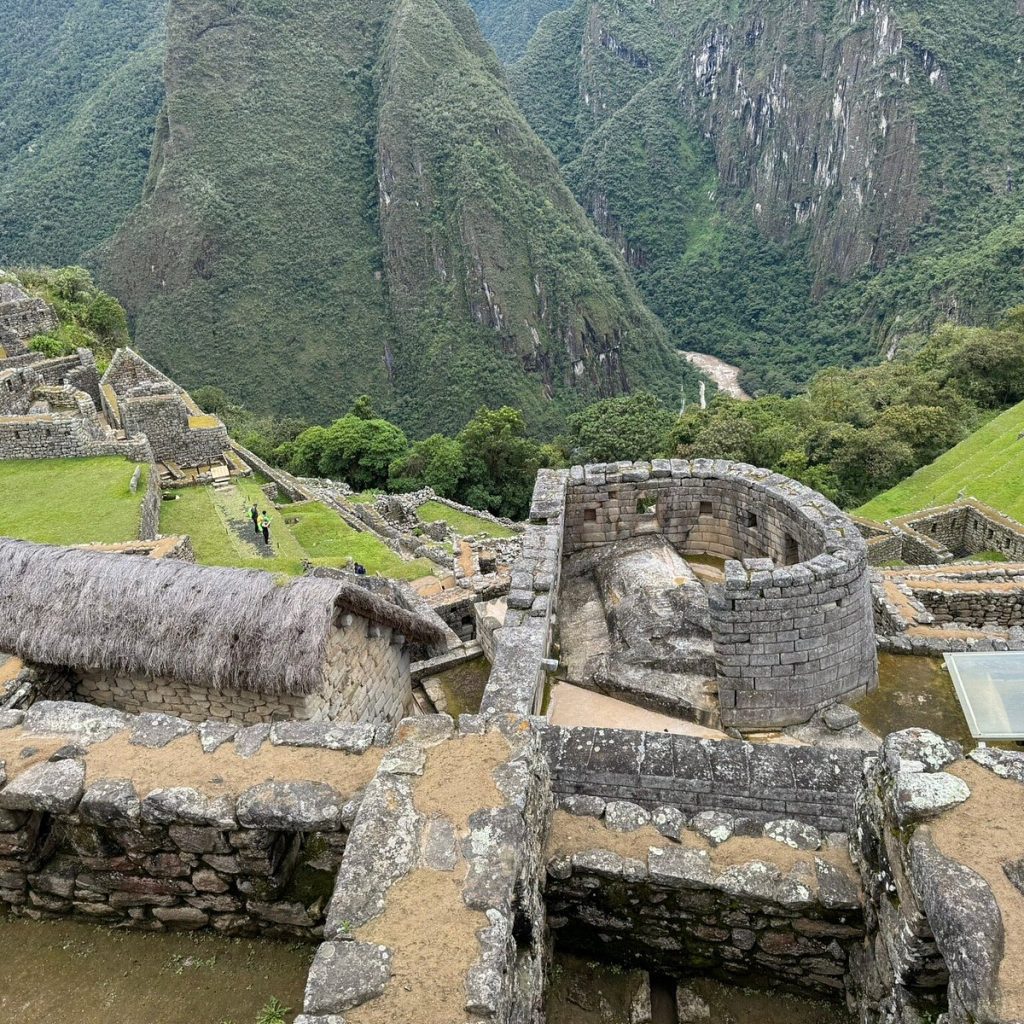
The temple of the sun stands as a testament to ancient architectural mastery and spiritual significance. Located in various parts of the world, these temples have intrigued historians, archaeologists, and tourists alike with their mystical aura and historical value. Let’s delve into the enigmatic allure of these historical structures and understand why they hold such a significant place in the annals of history.
The Historical Significance of the Temple of the Sun
Throughout history, the temple of the sun has served as a focal point for worship, astronomical observations, and cultural gatherings. In many cultures, these temples were dedicated to solar deities, believed to harness the power and energy of the sun. These structures not only functioned as religious centres but also reflected the civilisation’s architectural prowess and understanding of celestial events.
Architectural Marvels and Design
The architectural design of the temple of the sun varies across different civilisations, yet they share common elements indicative of their astronomical purposes. Typically, these temples are aligned with solar events such as solstices and equinoxes, a testament to the advanced astronomical knowledge of ancient peoples. Intricate carvings, grand facades, and expansive courtyards can often be found, showcasing the artisanship and dedication to these sacred sites.
The Temple of the Sun in Cusco, Peru
One of the most renowned temples dedicated to the sun is the Coricancha, located in Cusco, Peru. Once the richest temple in the Inca Empire, it was covered in gold and dedicated to their supreme god, Inti. It exemplifies the Incan understanding of celestial mechanics and their dependency on the sun for agriculture and survival.
Modern Interest and Tourism
In contemporary times, these temples attract thousands of tourists and researchers annually, eager to experience their grandeur and mystery. Tourism related to sites like the temple of the sun contributes significantly to local economies and fosters a greater understanding of indigenous cultures and histories. This influx of visitors, however, also brings challenges related to preservation and sustainability.
Preservation and Challenges
Preserving these ancient wonders requires a balance between accessibility for educational purposes and protecting them from environmental and human-induced damage. Restoration efforts are often undertaken to maintain structural integrity while respecting the original craftsmanship and construction techniques of the builders.
The Temple of the Sun: A Cross-Cultural Phenomenon
Although the specific manifestations and divine associations of sun temples differ across continents, the underlying veneration of the sun as a life-giving force is a shared cultural thread. From the ancient Egyptians to the pre-Columbian Americas, the sun has symbolised power, life, and fertility, reinforcing the universal reverence for these celestial sanctuaries.
Understanding the Role of Astronomy in Temple Design
The precise placement and construction of temples underscore the advanced astronomical knowledge possessed by ancient architects. Observatories were often integrated into the structure of the temple itself, allowing priests and scholars to track celestial movements and time significant events crucial to agricultural cycles and religious festivals.
Symbolism and Sacred Rituals
The temples were not only centres of worship but also places where elaborate rituals were conducted to honour the sun god. These ceremonies, often tied to calendar events, were integral to maintaining the divine benevolence and ensuring prosperous harvests for the community.
The Connection to Modern Spirituality
Today, the allure of the temple of the sun extends beyond historical and architectural interest, touching also on modern spiritual practices. Many people visit these sites seeking spiritual awakening or a deeper connection with the ancient wisdom that such temples represent.
Key Sites Around the World
Besides Peru’s Coricancha, notable sun temples include the Temple of Karnak in Egypt and Stonehenge in the United Kingdom. Each of these plays a pivotal role in our understanding of ancient civilisations’ connection to the cosmos and the sun’s central role in their lives.
Educational Value and Cultural Appreciation
Visiting the temple of the sun offers more than a tourist attraction; it is an educational experience that expands one’s appreciation for ancient cultures and their sophisticated understanding of the world around them. This appreciation fosters cross-cultural empathy and global interconnectedness.
Sun Temples and Modern Archaeological Advances
Modern technology has enhanced our ability to study and understand the enduring mysteries of these temples. Techniques such as 3D scanning and ground-penetrating radar reveal hidden structures without disturbing existing sites, providing insights into the construction techniques employed by ancient builders.
Future Prospects for Preservation and Study
The future of the temple of the sun depends on continued international collaboration in archaeological research and heritage conservation. By fostering partnerships among countries, preservationists can share best practices and develop strategies to ensure these historical treasures endure for generations to come.
Conclusion
The mystical allure of the temple of the sun beckons both the curious and the scholarly to explore its depths. As relics of the past, these temples continue to illuminate our understanding of ancient civilisations, their relationship with the cosmos, and the pivotal role the sun played in everyday life. By delving into these ancient wonders, we not only connect with history but also uncover insights relevant to our current understanding of culture and spirituality.