
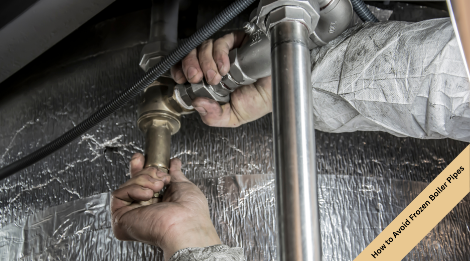
Freezing of a condensate pipe is a frequent problem that occurs during the winter season with a boiler and it always happens on the coldest day of the year. The boiler will stop operating and on the screen, you will see some warnings and your home will freeze. If you have a newly installed new boiler Bristol , you should be aware of this problem.
Why Condensate Pipes Freeze in Winter
Condensation occurs as the result of the cooling of flue gases and turning them into water within a condensing boiler. The water drips out of a narrow pipe, which is often made of plastic and passes through the wall outside. Below freezing point, water freezes into ice, blocking the path of the condensation flow. Pressure builds up, triggering the fault signal in the boiler. It should be noted that narrow pipes freeze faster than wide ones.
There are several risk factors that should be mentioned. External pipes without any insulation are the most vulnerable, particularly those located on the northern side of the building. Long pipework without a fall traps water that may freeze at night. Sometimes, older systems with bad pipework routes freeze more often than modern ones, so this point needs attention too.
Why a Fall Matters
The pipe must slope slightly downward from the boiler to allow the water to flow by gravity. The flat spot will make it difficult for the water to drain. This is something an engineer needs to check during every visit.
Spotting the Warning Signs Early
Another very typical sign would be the switch off of the boiler and the appearance of condensate or other code on its screen.Some boilers also have another kind of sign, where there is either blinking light or an error code that has to be reset. It is always better if you can check the outside pipe before resetting anything. The fact that there were repeated lockouts shows the obstruction has not yet been removed.
Some symptoms could include the gurgling noise at the outlet, icing of the pipe or fitting, and moisture around the location where the pipe emerges from the wall. Most people also find that a pool of water forms below the outdoor pipe after the thaw. All this information will prove vital when asking for help from a plumber. You will send photos of the pipe along with the description.
Keep a Record of Faults
It is important that you document the date, time, and codes on each occasion when the boiler breaks down. There will be patterns emerging, such as breakdowns only occurring on cold mornings. This information will be extremely helpful when you talk to the engineer.
Thawing a Frozen Pipe Safely
Thawing needs to be a gradual process. Firstly, you need to switch off the boiler and allow it to cool down. You will then thaw out the frozen pipe by using warm water on its exterior surface using a towel or even the hot water bottle, but do it gradually from the boiler side towards the other end.
One needs to understand that he should not try to use an open flame, heat gun, or boiling water because it will be quite dangerous for the plastic pipe. Anything that can cause any damage to the pipe should be avoided. In case if there is no effect of the blockage removal over some time or you can’t reach the pipe, one will need to get help from an engineer immediately. It is important to take action immediately; however, one needs to be careful about his safety in any case. One needs to make sure that his kids and pets are away from the hot water.
- Switch off the boiler and cool it down
- Put on warmer clothes or use hot water bag; don’t use open flames
- Drain melted water from the boiler end of the pipe
After the Thaw
After you have opened the pipe, turn the boiler back on and make sure that it continues to operate. It is important to observe it for at least a day as the ice may form again at night.
Routing the Pipe Away From Frost
It is always best in the long run to have a different path altogether. Paths that run internally and lead into the drainage pipe will generally be safer than those that run externally and are in exposed places. An engineer performing boiler installation in Bristol should be able to design the path in such a way that it follows a warmer path of the building initially. This job requires proper planning to satisfy all building regulations and to maintain the right fall.
A soakaway system is another means of disposing that could be adopted but will need to comply with present guidelines and be done by a competent person. A connection through the house drainage requires an air break and trapping. Improper layout might create problems in odour or drainage, so don’t take any chances. An excellent installer will describe each method and reasons why it will work for your property.
Questions to Ask About a Re-route
Inquire about the drainage of the pipe, the manner in which the fall is maintained, and if it meets the current standards. Ask for a written report on the installation and save it along with the boiler documents. Good answers will give you a good idea of the installer’s knowledge of his work.
Insulation and Protective Covers
Another easy measure to take would be the insulating of exposed condensate pipes. It can be done using weather resistant foam lagging designed for outdoor conditions. This material must completely cover the exposed part of the pipe and must be sealed at both ends so that no water and wind can get to it. The lagging ideally needs to be inspected annually in autumn to ensure it is in good condition.
Heat trace cables provide additional protection in case of exposure. However, they are electrical devices that require proper installation and thus must be checked regarding ratings and installation requirements. There are many homes in Bristol that enjoy the use of the boiler repair Bristol test service for checking if the protection system is functional. Controls and the connections should always be kept dry.
Choosing the Right Cover
These will be the ones which will be used only for condensate and pipe work on the outside. Make sure that they are easy to reach in case you want to inspect them, and do not interfere with the drainage process. Lighter colors would probably go well with your home.
Maintaining the Trap and Pipe
The condensing boilers usually have a trap that acts as a filter and eliminates any debris from passing through or even vapour escaping. The trap is likely to accumulate some dirt. It is usually cleaned annually but there could be some people who want to clean it before that time comes. It can be cleaned when it is explained in the manual and you are comfortable to do it. Make sure you switch off the boiler.
It is important to flush through the trap using clean water when instructed to do so by a professional and make sure that a funnel is installed on the side where the boiler is located. Use of warm water is useful in the cleaning process but chemicals are not supposed to be used since they can damage the trap. Make sure the water runs freely without giving out any smell.
Warning Signs of a Blocked Trap
Gurgling sounds, sewage smells, and slowly draining sinkholes could all mean there is a clog somewhere. All these signs need to be taken seriously as ignoring them may result in multiple interruptions. Act fast so that you do not have a cold home.
Planning Ahead With a Professional Check
Annual visit will offer an engineer a chance to detect any issues before winter comes. They will be able to inspect pipe fall, check the trap, and find out whether there are any possibilities of forming ice inside the pipes. It would be perfect to arrange boiler service Bristol in early autumn because it will give a chance to fix all the issues before the winter comes.
Make sure that you request the inspection report regarding those parts that have undergone the inspection process as well as those parts that still need to be inspected. It is important to make sure that the suggestions are in line with what you can afford in terms of finances and time. The professional engineer will always be ready to provide a reason for the suggestions but never provide you with anything that you do not need.
Preparing for the Next Frost
Clean out any snow that may have accumulated on the external pipe, inspect the insulation and always keep a spare cloth along with some hot water ready. Be aware of the weather forecast for any cold night. Proactive measures will help prevent many problems in the future.