

Choosing an electric dirt bike for a young rider is not simply about finding a bike that looks exciting or has impressive speed. Parents also need to think about rider experience, physical size, safety features, battery performance, comfort, and how the bike will actually be used. A well-matched electric dirt bike can make riding more enjoyable while helping a teenager build confidence and better control.
Electric dirt bikes have become increasingly popular because they offer a quieter and more convenient alternative to traditional gas-powered bikes. They are suitable for recreational riding, private trails, outdoor practice, and family adventures. However, not every model is appropriate for every teenager. The right choice depends heavily on the rider’s age, experience, height, weight, and intended riding environment.
Understanding What a Teen Rider Really Needs
Before looking at specifications, parents should consider the rider’s current skill level. A teenager who is completely new to dirt bikes may need a model that emphasizes predictable acceleration and manageable power. Someone who already has riding experience may be comfortable with a more capable bike.
For parents researching an electric dirt bike for teens, it is important to look beyond the appearance of the bike. A good youth-oriented model should provide a practical combination of power, control, stability, and comfort. The goal is not necessarily to choose the fastest option available, but to find a bike that the rider can confidently handle.
Size is another major consideration. A motorcycle-style electric dirt bike that is too large can be difficult for a young rider to control, particularly when starting, stopping, or making tight turns. On the other hand, a bike that is too small may become uncomfortable as the teenager grows.
Why Rider Experience Matters
Experience should play a major role in determining which electric dirt bike is appropriate. Beginners usually benefit from gradual power delivery and simple controls. These characteristics allow riders to learn basic techniques without feeling overwhelmed by excessive acceleration.
Experienced teenagers may want more performance, but additional power also requires better throttle control and riding awareness. Parents should therefore consider whether the teenager has enough experience to manage the bike safely before choosing a higher-powered model.
An electric dirt bike for teenager should ideally match the rider rather than simply exceed their current abilities. A model that feels manageable today can also help the rider develop skills that become useful as they progress to more advanced riding.
Battery Performance and Riding Time
Battery capacity is one of the most important specifications to examine when comparing electric dirt bikes. A larger battery can potentially provide more riding time, although actual range depends on several factors.
Rider weight, terrain, speed, riding style, temperature, and frequent acceleration can all affect battery consumption. Riding on flat private property may use less energy than riding over uneven trails with frequent climbs.
Parents should think about how the bike will normally be used. If the teenager plans to take short rides around private land, an extremely large battery may not be necessary. If longer outdoor trips are expected, greater battery capacity can become more valuable.
Charging time should also be considered. A bike that takes several hours to recharge may require more planning between rides. It is useful to check the manufacturer’s charging recommendations and understand whether the battery can be charged conveniently at home.
Pay Attention to Braking and Control
Acceleration often receives the most attention when people compare electric dirt bikes, but braking is equally important. A young rider needs to be able to slow down and stop confidently.
Parents should look for a braking system appropriate for the bike’s size and performance. Disc brakes are commonly used on many modern electric bikes because they can provide controlled stopping when properly maintained.
Throttle response also matters. Smooth and predictable acceleration can make it easier for a beginner to learn how to control speed. Sudden or overly aggressive power delivery may make a bike harder for an inexperienced rider to manage.
Frame Size and Rider Comfort
A teenager should be able to sit comfortably on the bike and maintain good control of the handlebars. Seat height, riding position, handlebar reach, and overall frame geometry can all affect comfort.
One simple consideration is whether the rider can comfortably place their feet in a stable position when stopped. This can make starting and stopping less intimidating, especially for beginners.
Comfort also becomes important during longer rides. If the riding position is awkward or the seat is uncomfortable, the rider may become tired quickly and lose concentration. A properly sized bike can make a significant difference in the overall riding experience.
Safety Equipment Should Be Part of the Purchase
Buying the bike is only one part of preparing a teenager for riding. Proper protective equipment should be treated as essential.
A suitable helmet is one of the most important pieces of equipment. Depending on the riding environment, parents may also consider gloves, protective eyewear, sturdy footwear, knee protection, elbow protection, and appropriate riding clothing.
It is also useful to establish clear riding rules before the first ride. Teenagers should understand where they are allowed to ride, how fast they should travel, and why they need to maintain awareness of obstacles and other people.
Private property and designated riding areas can provide a more controlled environment for learning. Parents should also check the applicable local rules before allowing a teenager to ride in public areas.

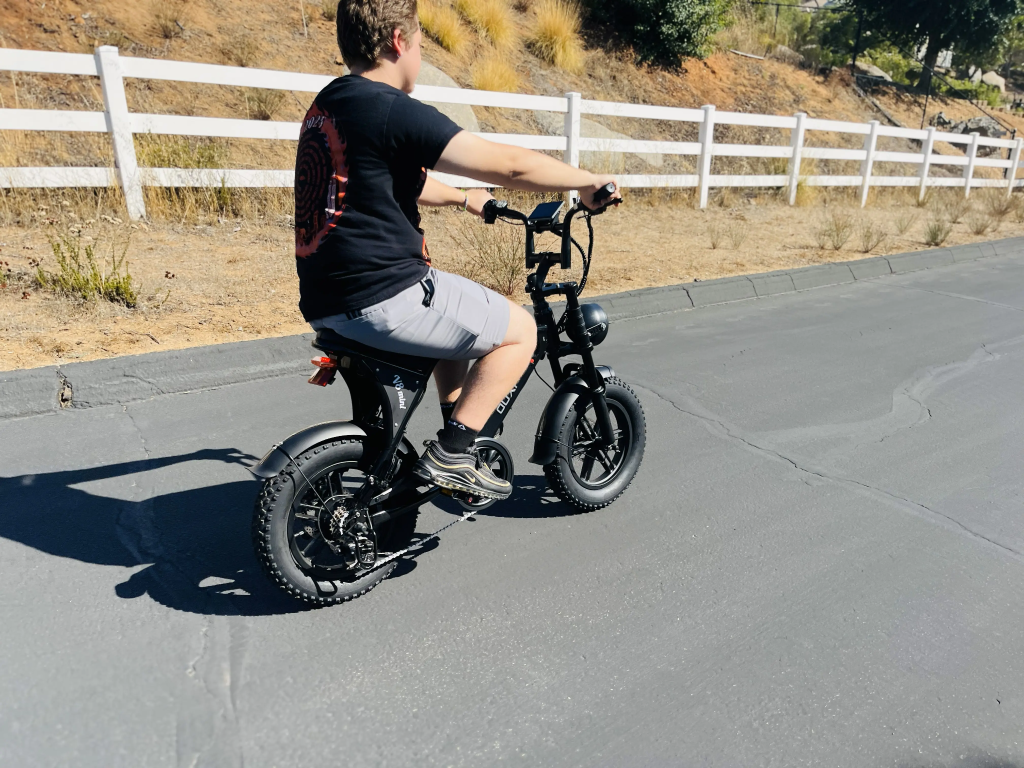
Motor Power and Speed
Electric dirt bikes are available with different levels of motor performance. More power can provide stronger acceleration and better performance on challenging terrain, but it can also make a bike more difficult for an inexperienced rider to control.
For younger or beginner riders, manageable power may be more useful than maximum performance. The teenager should be able to operate the throttle smoothly and maintain control without constantly fighting the bike’s acceleration.
Parents should therefore compare motor output with the rider’s actual experience. A teenager who has never ridden before may benefit from starting with a more approachable model rather than immediately choosing the most powerful option.
Think About Where the Bike Will Be Used
The intended riding environment should influence the purchase decision. A bike used mainly on smooth private paths may have different requirements from one intended for rough trails.
Terrain can affect suspension needs, tire selection, ground clearance, and battery consumption. If the teenager will ride over uneven surfaces, a bike with suitable suspension and tires can provide better stability and comfort.
Weather and storage should also be considered. Electric bikes contain battery systems and electrical components that should be protected from unnecessary moisture and extreme conditions. Proper storage and maintenance can help preserve performance over time.
Maintenance Is Still Important
One advantage of electric dirt bikes is that they generally have fewer mechanical components than traditional gasoline-powered dirt bikes. There is no fuel system, engine oil, or conventional exhaust system to maintain.
However, electric does not mean maintenance-free. Parents should regularly inspect the brakes, tires, chain or drivetrain components where applicable, fasteners, cables, and electrical connections.
The battery should also be cared for according to the manufacturer’s instructions. Following recommended charging and storage practices can help maintain battery performance and longevity.
Keeping the bike clean is another simple but useful habit. Dirt and debris can accumulate around moving parts and braking components, particularly after trail riding.
Helping a Teenager Build Riding Skills
A new rider should not be expected to master everything during the first ride. Learning should happen gradually.
Basic skills such as starting, stopping, steering, turning, braking, and controlling speed should be practiced in a suitable open area before moving onto more challenging terrain.
Parents can also encourage teenagers to focus on smooth control rather than speed. Learning to ride responsibly creates a stronger foundation than simply trying to go faster.
As confidence improves, riders can gradually become more comfortable with different surfaces and riding conditions. Progress should be based on actual skill rather than simply how long the teenager has owned the bike.
What Parents Should Consider Before Buying
There are several questions worth answering before making a final purchase. How tall is the rider? How much riding experience do they have? Where will they use the bike? How long do they expect to ride during a typical session? Can they comfortably control the bike while stopped?
Budget is another practical factor. The initial purchase price is only part of the overall cost. Parents may also need to budget for protective equipment, replacement tires, maintenance items, charging equipment, and eventual battery replacement.
It is also wise to review the manufacturer’s specifications carefully instead of relying only on marketing descriptions. Information about maximum rider weight, recommended use, charging requirements, braking systems, dimensions, and battery specifications can help create a more realistic picture of the bike.
Building a Responsible Riding Routine
A good electric dirt bike can provide teenagers with an enjoyable outdoor activity while also helping them develop coordination and responsible riding habits. However, the bike should be treated as a vehicle that requires attention and respect.
Teenagers should learn to check the bike before riding, wear the necessary protective equipment, avoid reckless behavior, and understand the importance of controlling their speed. These habits can become part of every riding session.
Parents can also establish simple routines, such as checking tire condition before longer rides and making sure the battery has enough charge. Small habits like these can reduce avoidable problems.
Final Thoughts
Choosing an electric dirt bike for a teenager is ultimately about finding the right balance between performance, size, comfort, control, and safety. The most impressive specifications are not always the most important ones for a young rider.
Parents should focus on whether the teenager can comfortably control the bike, whether its power matches their experience, and whether the bike is appropriate for the environment where it will be used. Battery capacity, braking, frame size, suspension, maintenance requirements, and protective equipment should all be considered before making a decision.
With the right approach, an electric dirt bike can become more than just an exciting purchase. It can give a teenager an opportunity to spend time outdoors, develop riding skills, and learn the importance of responsible vehicle control.
Frequently Asked Questions
What should parents look for in an electric dirt bike for a teenager?
Parents should consider rider size, experience, motor performance, braking, battery capacity, comfort, suspension, and intended riding environment. The bike should be manageable for the teenager rather than selected only because it has higher speed or power.
Is an electric dirt bike suitable for a beginner?
Some electric dirt bikes can be suitable for beginners when their power and size are appropriate for the rider. Beginners should start in a controlled environment and practice basic acceleration, braking, steering, and stopping before attempting more difficult terrain.
How long does an electric dirt bike battery last?
Battery duration varies depending on battery capacity, rider weight, terrain, speed, temperature, and riding style. Manu