
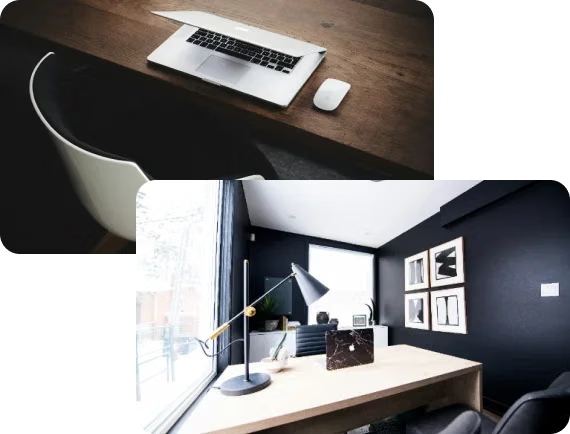
Starting a business today is easier in many ways, but entrepreneurs still face an important question: how much infrastructure does a new company actually need?
A startup may begin with a laptop, a small team, and a digital product. Employees can work remotely, meetings can happen online, and customers can be reached through digital channels. Yet as the business becomes formal, it may need a professional address for registrations, correspondence, documentation, and other business requirements.
This is where a virtual office setup can offer a practical option for eligible businesses.
Startups Need Flexibility in the Early Stage
The first few months of a business are usually unpredictable. Revenue may fluctuate, the team may change, and the company may still be testing its target market.
Taking a long-term commercial lease during this stage can create fixed expenses before the business has established stable revenue.
A virtual office allows startups to approach physical infrastructure differently. Instead of immediately maintaining a complete workplace, they can establish the physical business presence they genuinely require while keeping everyday operations flexible.
This can be particularly useful for consultants, agencies, technology companies, online sellers, and other businesses whose work does not depend on a permanent office floor.
Separating the Founder From the Business
Many entrepreneurs initially use their home address for business purposes. While convenient, this can become less suitable as the company grows.
A dedicated business address creates a clearer distinction between the founder’s personal life and the company’s professional identity.
This can also make administrative management easier when the business begins dealing with more customers, vendors, financial institutions, and regulatory processes.
The company’s official information can remain more consistent even when the founder changes residence or the team begins working from different locations.
A Professional Address Can Support Business Credibility
Customers do not judge a company solely by its office, but professional presentation still matters.
A consistent business address, branded communication, professional website, clear invoices, and organized documentation can collectively create a stronger impression.
For a startup operating entirely online, these details become even more important because customers may never physically visit the business.
A virtual office can therefore be one element of a wider professional setup. It should complement genuine business operations rather than be treated as a substitute for them.
Virtual Offices and GST Registration
As startups formalize their operations, GST registration can become an important consideration depending on their business activities and applicable requirements.
The address used for registration needs to satisfy the relevant rules and documentation requirements. Businesses should therefore verify whether a particular virtual-office arrangement is suitable for their circumstances before proceeding.
For startups entering a new market, a virtual office in Noida for GST registration for startups may be considered where the arrangement is appropriate and properly documented.


The key is to view the address as part of the company’s compliance infrastructure, rather than simply as a convenient location.
Keeping Fixed Costs Under Control
Startups often have to decide where limited capital should be spent.
Money committed to office rent and maintenance may instead be needed for hiring, technology, advertising, product development, or customer acquisition.
A flexible office model can help businesses avoid taking on unnecessary physical overhead at an early stage.
This does not mean eliminating physical infrastructure altogether. It means choosing infrastructure according to actual business requirements.
If the company eventually develops a larger local team or needs regular client meetings, it can consider moving toward dedicated premises later.
Supporting a Remote-First Business Model
Remote work has changed what employees expect from businesses.
A startup can have people working across several cities while collaborating through cloud applications and video conferencing. There may be little operational value in requiring everyone to work from the same location.
A virtual office fits naturally into this model because it addresses certain physical business requirements without forcing the entire organization into a traditional workplace.
The result is a hybrid structure: digital tools support everyday work, while a professional physical address supports selected administrative and business functions.
Building Infrastructure That Can Grow
The best business infrastructure is not necessarily the largest infrastructure. It is infrastructure that can adapt as the company develops.
A startup may begin with a small team and limited requirements. Six months later, it may have new customers, additional registrations, employees in multiple cities, and more formal administrative responsibilities.
A flexible address arrangement can make that transition easier.
Instead of repeatedly changing locations as the company evolves, entrepreneurs can establish a structured foundation early and expand their physical setup only when there is a genuine operational need.
The Smarter Way to Think About a Business Address
For modern startups, a business address is more than a line on a document. It can form part of the company’s identity, administrative structure, and compliance process.
A virtual office does not need to replace every function of a conventional workplace. Its value lies in allowing businesses to choose how much physical infrastructure they actually need.
For founders building remote-first companies, this flexibility can make the early stages more manageable. They can maintain a professional presence, organize important business information, and keep fixed costs under control while focusing on what matters most: