
Introduction
Starting an exercise routine is often easier than maintaining one. Many people buy fitness equipment with genuine enthusiasm, create ambitious workout schedules, and imagine how regularly they will use their new machine. However, as everyday responsibilities return, that initial excitement can gradually disappear. The challenge is not always finding the right equipment; sometimes it is making exercise enjoyable enough to become a lasting habit.
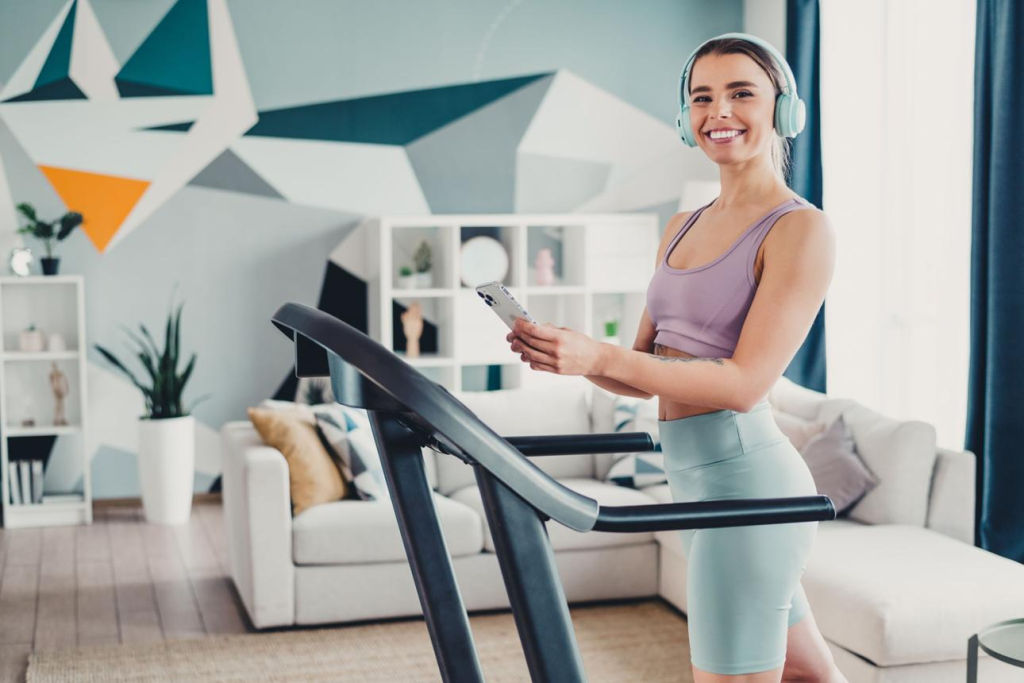
A home treadmill can provide a convenient setting for building a more active lifestyle. Unlike activities that require travelling to a particular location, indoor exercise can fit around work, family responsibilities, and personal schedules. Yet convenience alone does not guarantee consistency. The way a workout space feels, the expectations people place on themselves, and the small routines surrounding exercise can all influence whether they continue.
Understanding these behavioural factors can help turn treadmill ownership into something more valuable than simply having another piece of equipment at home.
Move Away From the All-or-Nothing Mindset
One reason people struggle with exercise is the belief that every session must be long, intense, and productive. When time is limited, they may decide that a short workout is not worthwhile. This creates a cycle in which missed opportunities become missed days, and missed days eventually lead to abandoning the routine.
A more flexible approach is to recognise that different sessions can serve different purposes. A short walk after work may be appropriate on a busy day, while a longer session might fit better into a relaxed weekend. Neither needs to be treated as a failure or a compromise.
The most useful routine is one that allows people to keep moving even when circumstances change. Instead of setting a rigid daily target, establish a realistic minimum that feels manageable. This makes it easier to maintain continuity without turning exercise into another source of pressure.
Make Exercise Part of an Existing Daily Habit
Building a new habit can be easier when it is connected to something that already happens regularly. This is sometimes called habit stacking: attaching a new activity to an established part of the day.
For example, someone might walk on the treadmill after finishing their morning coffee, before taking an evening shower, or immediately after closing their laptop at the end of the working day. The existing activity becomes a reminder to begin the workout.
The timing should be practical rather than idealised. A schedule that looks impressive but conflicts with work or household responsibilities is unlikely to remain consistent. It is better to choose a convenient time and repeat it than to keep changing the plan.
Preparing the workout area in advance can make this process even easier. Keeping suitable shoes nearby, clearing the floor, and ensuring that the treadmill is ready for use removes several small barriers between deciding to exercise and actually starting.
Create an Environment That Encourages Movement
The atmosphere around a workout can influence how people feel about returning to it. A cluttered, poorly lit corner may make exercise seem like an inconvenient task, whereas a clean and comfortable space can feel more inviting.
This does not mean that every home needs a dedicated gym. A simple arrangement can be enough. Position the treadmill where there is adequate room, provide suitable lighting, and keep frequently used accessories organised.
Entertainment can also make indoor exercise more appealing. Some people enjoy listening to podcasts, watching a programme, or playing music while walking. Others prefer a quiet environment where they can concentrate on their movement.
The important point is to choose an arrangement that supports safe exercise and personal enjoyment. Screens and headphones should never distract users from operating the equipment carefully or noticing how they feel during a session.
Choose Equipment That Matches Your Personality and Routine
People have different reasons for exercising, and their preferences should influence the type of equipment they choose. Someone who enjoys relaxed walking may not need a machine designed primarily for running. Another person who prefers structured cardio sessions may want more control over speed and incline.
Space and storage preferences matter too. A compact walking machine may be easier to accommodate in a smaller home, while a traditional treadmill may be more appropriate for people who intend to run regularly.
Comparing a loopband voor thuis can help buyers explore different options for indoor activity. The aim should be to find equipment that fits naturally into everyday life rather than selecting a model simply because it has the longest feature list.
A machine that is straightforward to operate and appropriate for the intended activity may encourage more frequent use. Complicated controls or unsuitable dimensions can make workouts less convenient, particularly for beginners.
Set Goals That Focus on Behaviour
Many exercise goals are based entirely on outcomes, such as losing weight, reaching a particular distance, or achieving a faster running pace. While these targets can provide motivation, they are not always fully within an individual’s control.
Behaviour-based goals offer a different approach. Instead of focusing only on a final result, set targets around actions that can be repeated. Examples include completing three planned sessions during the week, walking for a chosen amount of time, or preparing the workout space before the evening routine.
These goals provide clear opportunities to measure consistency. They also make it easier to recognise progress during the early stages of a new habit.
A simple calendar or notebook can be useful. Marking completed sessions creates a visible record of effort and helps identify patterns. If workouts are repeatedly missed on particular days, the schedule can be adjusted rather than treating the problem as a lack of motivation.
Use Variety to Keep Indoor Workouts Interesting
Repeating exactly the same session every day can eventually become monotonous. Introducing manageable variation can make treadmill exercise feel less predictable.
One session might focus on comfortable walking at a steady pace. Another could include a few short periods of slightly faster movement. A different day might involve a relaxed recovery walk.
Changing the entertainment, workout duration, or time of day can also create variety without requiring a completely different training plan.
Incline settings may provide another option on compatible machines. Users should begin with a comfortable setting and make adjustments gradually. The objective is to introduce a new experience while maintaining control and safe movement.
There is no requirement to make every session harder than the previous one. Enjoyment and consistency are valuable parts of a long-term routine, and occasional easier workouts can help keep the schedule manageable.
Learn to Recognise and Manage Common Motivation Barriers
Motivation can fluctuate for many reasons. A demanding working day, poor weather, household responsibilities, or simply feeling tired may make exercise less appealing.
Rather than relying on enthusiasm alone, it can help to prepare for these situations.
If time is limited, have a shorter workout option ready. If boredom is a problem, prepare a playlist or choose a different walking programme. If the treadmill is difficult to access because the area is cluttered, organise the space before the next planned session.
Another useful approach is to reduce the pressure associated with starting. Instead of promising yourself a long workout, begin with a few minutes of comfortable movement. Once the session has started, continuing may feel easier. If it does not, completing a short session can still be a reasonable outcome.
Avoid using guilt as the main source of motivation. Missing a workout does not erase previous effort. Returning to the routine at the next suitable opportunity is more constructive than abandoning the entire plan.
Make Progress Visible Without Constantly Chasing Numbers
Treadmills often display information such as speed, time, and distance. These details can help users understand their activity, but they should not become the only measure of success.
A person may feel more confident using the controls, find it easier to complete a familiar walking session, or become more consistent with their weekly schedule. These are useful signs of progress even when the display shows similar numbers.
Consider recording a few simple details after each session:
- How long the workout lasted.
- What type of session was completed.
- Whether the pace felt comfortable.
- How the user felt afterwards.
- Whether any adjustments would improve the next session.
This information can help users make sensible changes over time. It can also reveal whether the current routine is too demanding, too repetitive, or poorly timed.
The purpose of tracking is to support better decisions, not to create pressure to improve every measurement every week.
Understand the Practicalities Before Making a Purchase
Choosing suitable equipment can influence how easily exercise fits into a person’s life. Before purchasing a treadmill, consider where it will be placed, how often it will be used, and what type of movement it needs to support.
A few practical questions can help narrow the options:
What type of exercise will you do most often? Walking-focused users may have different requirements from people who intend to jog or run.
How much room is available? Check the operating dimensions and consider whether a folding design would be useful.
Are the controls easy to understand? Simple access to speed adjustments and stopping functions can make everyday use more convenient.
Does the walking surface suit your movement? Belt dimensions should be appropriate for the intended activity and stride.
What maintenance will be required? Review the manufacturer’s instructions for cleaning, belt care, and general servicing.
Will the equipment remain practical over time? Consider whether it can accommodate likely changes in exercise preferences.
Anyone planning to loopband kopen should compare these practical factors rather than relying only on appearance or advertised features. Choosing equipment that fits the user’s real habits can make it easier to keep exercising after the initial excitement of a purchase has passed.
Make Safety and Recovery Part of the Routine
A positive relationship with exercise also depends on using equipment sensibly. Start sessions at a comfortable pace, allow time for a gradual warm-up, and slow down before stepping off the treadmill.
Users should understand the safety features and follow the manufacturer’s operating instructions. Keep the surrounding area clear, use appropriate footwear, and ensure that children and pets stay away from moving equipment.
Recovery should not be treated as wasted time. Alternating more demanding sessions with easier days can make a routine more manageable. If unusual pain, dizziness, chest discomfort, or significant breathlessness occurs, stop exercising and seek appropriate medical advice when necessary.
People with existing health concerns or uncertainty about starting a fitness programme should consult a qualified healthcare professional for individual guidance.
Turn the Treadmill Into a Regular Part of Everyday Life
A home treadmill is most useful when it supports a routine that feels realistic and enjoyable. That does not require ambitious targets, complicated workout plans, or daily high-intensity sessions.
Start with manageable goals, connect exercise to an existing daily habit, and create a space that feels comfortable to use. Introduce variety when workouts become repetitive, and measure progress through consistency as well as performance.
There will inevitably be days when exercise feels less appealing. A flexible plan makes it easier to adjust without giving up completely. Over time, the habit of getting started can become more important than waiting for the perfect moment or the right level of motivation.
The real value of indoor exercise lies in making movement accessible. With suitable equipment and a routine built around everyday life, a treadmill can become a practical and enjoyable part of a more active home environment.