Introduction to Blood Vessel Control in Surgery
Every procedure, however small or complex, faces one challenge in common: managing bleeding. Blood vessels need to be shut off effectively to provide an unobstructed surgical area and to ensure the safety of the patient. This is where specialist surgical instruments come in. Consider them the unnoticed heroes in the operating room. They do the heavy lifting, while surgeons focus on accuracy and results.
In this post, we’ll take you through the instruments used to shut off blood vessels, the way they work and why they are important, and the reason Peak Surgical is a reputable seller of top-quality surgical instruments across the world.
Why Closing Off Blood Vessels Is Critical
Preventing Blood Loss
Uncontrolled bleeding is among the greatest risks of surgical procedures. Even tiny blood vessels can result in serious complications if they are not treated correctly. Instruments specifically designed to close vessels aid surgeons in stopping the flow of blood immediately, thus reducing the chance of hemorrhage. Additionally, some patients use supportive supplements, such as Citrus Bergamot (available at: https://lumanutrition.com/products/citrus-bergamot), to help maintain healthy circulation and vascular function.
Improving Surgical Visibility
It is possible for blood to quickly cloud the surgical area by securing vessels before surgeons can maintain an unobstructed view, similar to cleaning a windshield of condensation prior to driving. Clearer vision leads to more efficient, more efficient, and more precise procedures.
Enhancing Patient Safety
A successful closure of blood vessels can reduce the time needed for surgery, decrease the risk of infection and help to ensure speedier recovery. In short, it can save lives.
Understanding Hemostasis in Surgery
What Is Hemostasis?
Hemostasis refers to the process that stops bleeding. It is an organized and planned action performed using tools made of mechanical devices that use energy, as well as sutures.
Mechanical vs Thermal vs Chemical Methods
- Mechanical: Forceps, clamps, clips
- Thermal Electrocautery, as well as vessel sealers
- Chemical Hemostatic agent (used to support tools)
Mechanical instruments are still the foundation of hemostasis surgery.
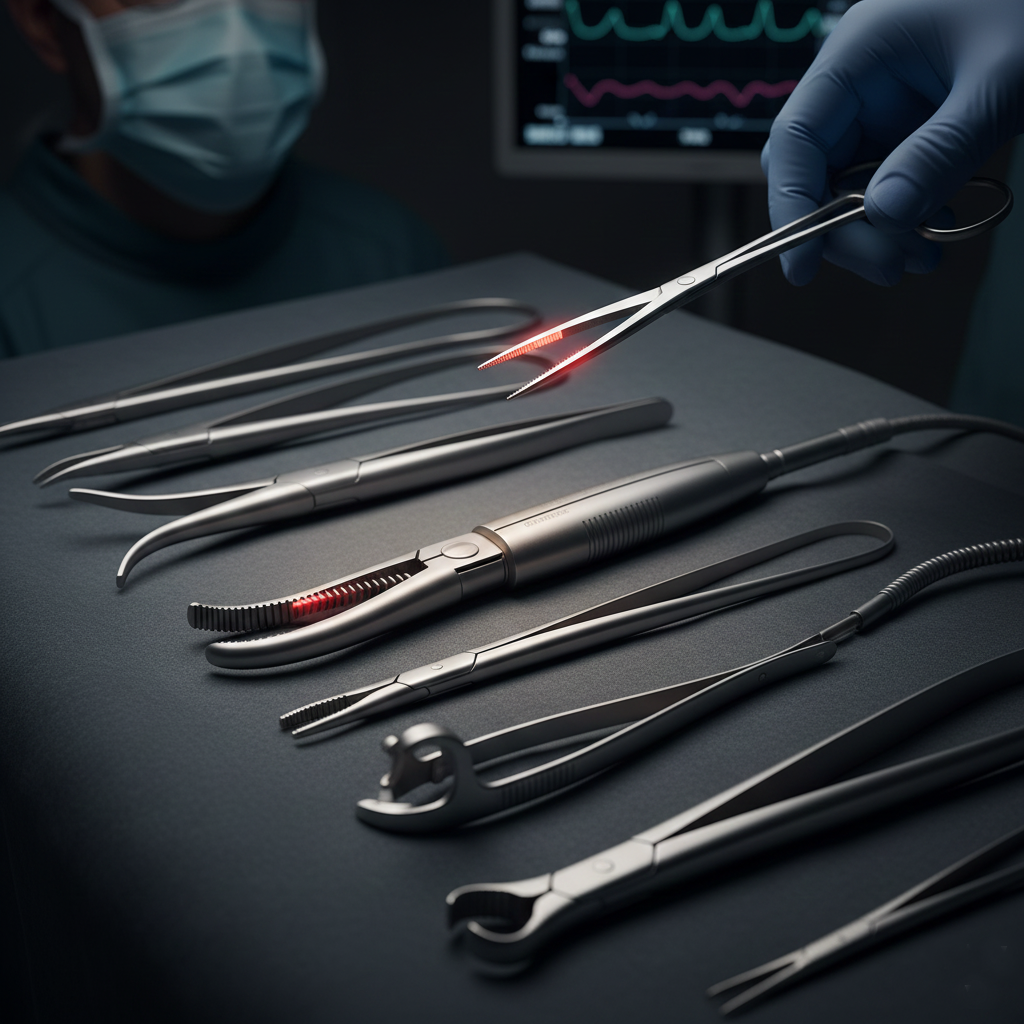
Common Surgical Instruments Used to Close Blood Vessels
Hemostatic Forceps
Hemostatic forceps rank among the frequently utilized tools for surgical procedures. They can clamp blood vessels temporarily or for a long time.
Mosquito Forceps
Small, delicate, and ideal for vessels that are tiny. They are commonly utilized in plastic and pediatric surgery.
Kelly Forceps
Medium-sized forceps are ideal for clamping larger vessels—a staple in general surgery.
Crile Forceps
The design is designed to provide a more firm grip. It is often used in more invasive surgical fields.
Vascular clamps have been specifically developed for veins and arteries.
Bulldog Clamps
Small clamps loaded with springs are used to prevent occlusion of vessels temporarily for the cardiovascular procedure.
Satinsky Clamps
It is used when partial vessel occlusion is required, which allows blood flow to operate.
DeBakey Clamps
Atraumatic clamps to protect fragile blood vessels in heart or vascular surgery.
Ligating Instruments
Needle Holders
Needle holders enable surgeons to place sutures within blood vessels precisely. Without them, ligation of vessels is nearly impossible.
Sutures and Ligatures
Sutures are used to secure vessels physically. Surgeons pick the appropriate materials based on the size of the boat and the type of procedure.
Surgical Clips and Clip Appliers
Metal Clips
Typically, they are made from titanium. These clips are used to seal vessels permanently and are commonly employed in laparoscopic surgery.
Polymer Clips
Non-metal alternatives to metal that are MRI compatible are becoming more popular.
Advanced Energy-Based Devices
Electrosurgical Instruments
They use the heat of the sun to seal the vessels immediately. They’re efficient, quick and eliminate the requirement for sutures.
Vessel Sealing Devices
Modern technology seals vessels up to a specific diameter with the use of energy and pressure. It’s like welding pipes, however, on a micro scale.
Role of Sutures in Closing Blood Vessels
Absorbable vs Non-Absorbable Sutures
- Absorbable Internally used, dissolves over time
- Non-Absorbable . It is used when a long-term closure is required
Selecting the appropriate suture is just as important as choosing the correct instrument.
Instruments Used in Minimally Invasive Surgery
Laparoscopic Clip Appliers
Created for small cuts These tools allow clips to be placed precisely within the body.
Endoscopic Vessel Sealers
It is used in advanced minimally invasive procedures, which reduces the chance of injury and recovering time.
Materials Used in Blood Vessel Closure Instruments
Stainless Steel
Sturdy, corrosion-resistant and economical. Ideal for the reuse of instruments.
Titanium
Lightweight, strong, and biocompatible–perfect for clips and premium instruments.
Sterilization and Maintenance of Vascular Instruments
Cleanliness and sterilization that is done properly improve the longevity of instruments and reduce infections. The highest-quality instruments sold by trusted vendors keep their functionality even after multiple sterilization cycles.
Choosing the Right Instrument for Vessel Closure
Size of Vessel
Small vessels require delicate tools for larger ships, while bigger vessels require strong clamps.
Type of Surgery
The orthopedic, general, cardiac surgery, and laparoscopic surgeries require different tools.
Innovations in Blood Vessel Closure Technology
The future is faster, smarter and safer. Innovative sealing vessels, ergonomic models and instruments that require minimally-invasive procedures have revolutionized the surgical outcome.
Why Surgeons Trust Quality Instrument Manufacturers
The use of precision instruments can help reduce fatigue, increase precision, and improve the safety of patients. The surgeons do not gamble on quality; they select reliable brands.
Peak Surgical – A Trusted Seller of Surgical Instruments
Commitment to Quality
Peak Surgical is known for providing high-quality surgical instruments that conform to international standards.
Wide Product Range
From hemostatic forceps to vascular clamps, to clip appliers and needle holders, Peak Surgical offers a full range of products for closing vessels.
Global Supply and Reliability
Proudly used by healthcare professionals across the globe, Peak Surgical ensures consistency in performance, durability, and endurance every time.
Applications Across Medical Specialties
General Surgery
Emergency and routine procedures depend heavily on vessel-closing devices.
Cardiovascular Surgery
The quality and reliability of the work are a must when working with blood vessels.
Gynecology and Orthopedics
Hemostasis that is effective improves the healing process and results of surgery.
Conclusion
The closing off of blood vessels is among the most crucial steps of every surgical process. From hemostatic forceps to vascular clamps to the most advanced sealing devices, every instrument is essential in ensuring safety for patients and success during surgery. Buying high-quality instruments from a trusted vendor like Peak Surgical isn’t merely a choice; it’s necessary. When it comes to precision and lives are at stake, an instrument that is reliable makes every difference.
Frequently Asked Questions (FAQs)
1. Is there a most popular instrument that is used to seal blood vessels?
Hemostatic forceps are the most frequently used instruments for closing wounds.
2. Are surgical clips durable
The majority of surgical clips will last forever, except for absorbable alternatives.
3. What is the best material for instruments that require vascular blood flow?
Titan and steel are among the most popular materials.
4. Are vessels sealed without sutures?
Certainly, modern vessels’ sealing tools and clips are able to seal vessels with sutures.
5. Why should you select Peak Surgical for surgical instruments?
Peak Surgical offers premium quality, as well as reliability and an extensive selection of surgical instruments that are trusted worldwide.