
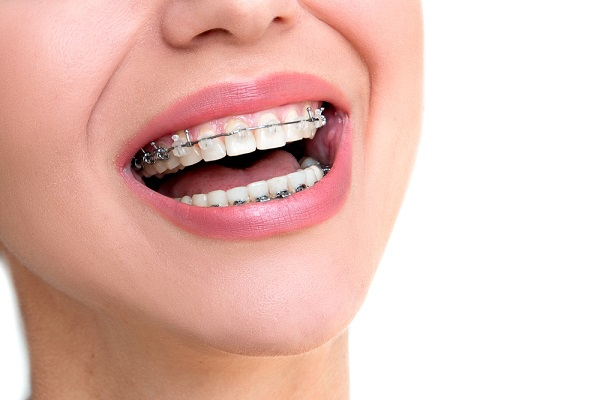
Crooked teeth are among the most common dental concerns that patients of all ages bring to their dental team. Some people have lived with mildly crooked teeth for decades and simply accepted them as part of their appearance. Others have noticed that their teeth seem to be shifting over time. Some are adults who had orthodontic treatment as a teenager but did not wear their retainer consistently enough and have seen their results gradually reverse. Whatever the starting point, the question of when to seek specialist orthodontic assessment is one worth exploring with some honesty, because the answer is not always straightforward.
What Orthodontics Actually Addresses
It is easy to think of orthodontic treatment as purely cosmetic, about creating a straighter, more attractive smile. And while that is certainly one outcome, the clinical case for orthodontic treatment often runs considerably deeper.
Clinical Reasons to Consider Orthodontic Treatment
Bite problems (malocclusion): When the upper and lower teeth do not meet correctly, the consequences can extend beyond aesthetics. Uneven bite distribution can cause excessive wear on specific teeth, jaw joint discomfort, headaches, and in some cases significant damage to tooth surfaces over time.
Overcrowding: When teeth are crowded together, cleaning them thoroughly becomes genuinely difficult. Overlapping surfaces are hard to reach with a toothbrush and almost impossible to clean effectively with floss. The result is an elevated risk of plaque accumulation, decay, and gum disease in the areas that cannot be cleaned.
Spacing: Gaps between teeth can allow food packing, gum overgrowth into the space, and in some cases gradual drifting of adjacent teeth toward the gap.
Protruding teeth: Front teeth that protrude significantly are at higher risk of traumatic injury and may affect speech.
Signs That You Should Book an Orthodontic Assessment
You do not need to wait until your teeth are significantly crooked to seek an orthodontist altrincham assessment. The following situations are all reasonable prompts for a consultation:
- You have noticed your teeth shifting position, even subtly, over the past few years
- You find certain areas of your mouth consistently difficult to clean
- You experience jaw aching, clicking, or tension that has not been explained by another cause
- You had orthodontic treatment previously and have seen some relapse
- You grind your teeth (bruxism) and have been told your bite may be contributing
- You simply feel self-conscious about your smile and want to understand your options
- A child in the family has been flagged by their dentist as potentially needing orthodontic assessment
Starting With a Dental Assessment
Before deciding whether orthodontic treatment is necessary, it is useful to have your overall oral health checked. A dentist altrincham can identify issues such as decay, gum problems or changes in tooth position and advise whether an orthodontic assessment would be appropriate. This provides a useful starting point before considering specific treatment options.
Age Is Not a Barrier: Adults Benefit from Orthodontics Too
One of the most persistent misconceptions about orthodontic treatment is that it is a young person’s intervention. It is true that certain orthodontic movements are achieved more readily during the growth years of childhood and adolescence, but the majority of tooth movement that adults seek can be accomplished effectively with appropriate treatment.
A dentist altrincham consultation for an adult patient concerned about crooked teeth will typically involve an assessment of whether the crowding or bite issue is primarily a tooth position problem (amenable to orthodontic treatment) or whether there are underlying jaw relationship issues that might require more involved management.
The Orthodontic Assessment: What to Expect
Initial Consultation
The first orthodontic appointment is primarily about assessment and discussion. The clinician will:
- Take a full dental and medical history
- Examine the teeth, bite relationship, and jaw joints
- Discuss any X-rays or records needed (photographs, models, or digital scans of the teeth)
- Outline the treatment options appropriate to the specific case
- Provide an estimate of treatment duration and cost
This is also the patient’s opportunity to ask questions, about the different treatment options, about what daily life will look like during treatment, and about the retention phase that follows.
Treatment Planning
Once the assessment is complete and a treatment approach agreed, detailed records are taken and the specific treatment plan is developed. For clear aligner treatment, digital software is used to simulate the planned tooth movements and show the patient the expected result before treatment begins.
Choosing the Right Orthodontic Approach
There is no single orthodontic treatment that suits every patient. An orthodontist altrincham will consider the position of your teeth, bite, age, oral health and treatment goals before recommending an appropriate approach. Understanding these factors helps ensure that the proposed treatment is based on your individual needs rather than simply the appearance of your teeth.
When to Refer a Child for Orthodontic Assessment
For parents, the recommended timing for a first orthodontic assessment is generally around age seven to eight, not because treatment necessarily begins at this age, but because early assessment allows developing problems to be identified and monitored, and in some cases early intervention can simplify later treatment or prevent more complex issues from developing.
Signs in children that warrant earlier orthodontic review include:
- Teeth that appear significantly crowded as the adult teeth come through
- A noticeable underbite (lower jaw protruding beyond the upper)
- Thumb sucking persisting beyond age five or six
- Baby teeth lost very early or very late compared to typical development
Conclusion
Crooked teeth are rarely just a cosmetic issue, they affect how you clean your teeth, how your bite functions, and in some cases how you feel about smiling and social interaction. The right time to see an orthodontist is when you have a concern, regardless of age or the severity of the issue. Early assessment means more options; delayed assessment means navigating more limited ones. The Good Dentist Altrincham provides orthodontic consultations for both adults and children, offering a clear, honest picture of the treatment options available and the outcomes that can realistically be achieved, so every patient can make a genuinely informed decision about their smile.