
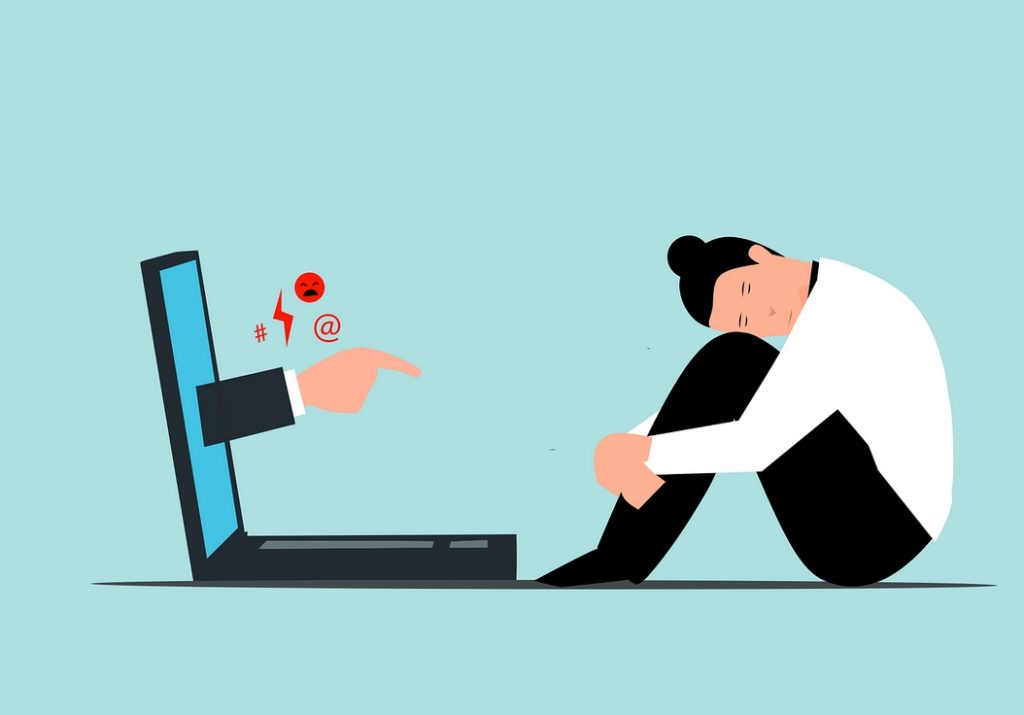
Mental injuries are also being brought under the spotlight as a result of the pressures that contemporary society faces. The pressures, advancements, and expectations of technology, as well as a change in mindset in organisations, are reasons for symptoms that impair functioning. This knowledge that surrounds this increase in symptoms also turns out to be useful.
Growing Awareness and Changing Attitudes
Public debates about mental issues exist differently, offering a platform where individuals can express their psychological suffering without being met with the same silence as in the past. Platforms like social media, campaigns, and educational programs encourage discussing mental issues, which results in an increase in reported cases of suffering that were left untreated. With increased understanding, there has been a rise in reported cases of conditions associated with anxiety, depression, and psychological trauma. This increased understanding does not imply that cases of mental issues are rising; rather, many people are now comfortable sharing their personal struggles that were private in nature.
Societal Shifts and Digital Overload
The world has become a place where technology has enabled constant engagement. There are notifications, performance, and societal engagements, as well as access to world crises, which eliminate the line that separates personal and societal duties. People are overwhelmed with a huge amount of data, which further adds to their stress. Simultaneously, many societal clusters are faced with economic, political, and societal disunity. This further adds to stress. A weakened support structure further leads to psychological weaknesses. The societal changes that are taking place are further adding to injuries that are evidenced in the form of stress, irritability, and lack of motivation.
The Importance of Professional Assessments
Valid evaluation remains a critical factor for reliable identification of psychological injuries. Objective evaluation provides some clarity in understanding symptoms, their intensity, and developing informed strategies for their proper management. Skilled professionals undertake careful interviews, standardised tests, and direct observations to provide a comprehensive perspective of a person’s situation. This evaluation ensures that diagnoses are evidence-based, rather than being a matter of conjecture. This also becomes a valuable means in complicated cases related to laws, work, or similar matters where psychological injuries affect a person’s capabilities and security. In such situations, experts in independent medical examination psychiatry can offer impartial insight that supports fair decision-making. Thorough evaluations not only validate the individual’s experience but also lead to targeted interventions that improve recovery prospects.
The Impact of Work-Induced Stress
Employees from all sectors are faced with pressures that cause stress to their emotional endurance. Long working hours, uncertain organisational structures, performance pressures, and being connected all day with technology expose employees to stressful conditions that are easy to accumulate. These conditions lead to effects on sleep, focus, and performance over time. Employees begin to experience all these effects inside, forcing themselves to struggle with stress until burnout sets in. A group of employees working under constant conditions increases employee vulnerabilities. Organisations with cultures that value productivity but lack support systems are most prone to psychological injuries.
Barriers to Care and Support
Although there has been encouraging progress in terms of understanding, many different factors are at play that make it difficult for people to come forward. The lack of availability of qualified professionals, a paucity of funds, societal norms, and waiting lists make it extremely difficult. There are also those who fear being judged, as admitting to their troubles would negatively impact their professional and social status. Then, of course, some are uninformed about where to turn for help. Such challenges increase suffering as problems are allowed to persist until injuries are chronic. Strengthening community outreach initiatives can further reduce gaps in support and encourage earlier engagement with mental health services.
In conclusion, the growing rate of psychological injuries represents a series of complicated interactions between various cultural, professional, technological, and structural issues. Greater recognition brings long-overdue attention, but contemporary pressures continue to drive new sources of injuries. To effectively address psychological injuries, early evaluation, professional transformation, progressively supportive networks, and effective treatment options are necessary. With sustained commitment, society can make a positive impact in mitigating the effects of psychological injuries while providing an optimal environment for successful mental health.