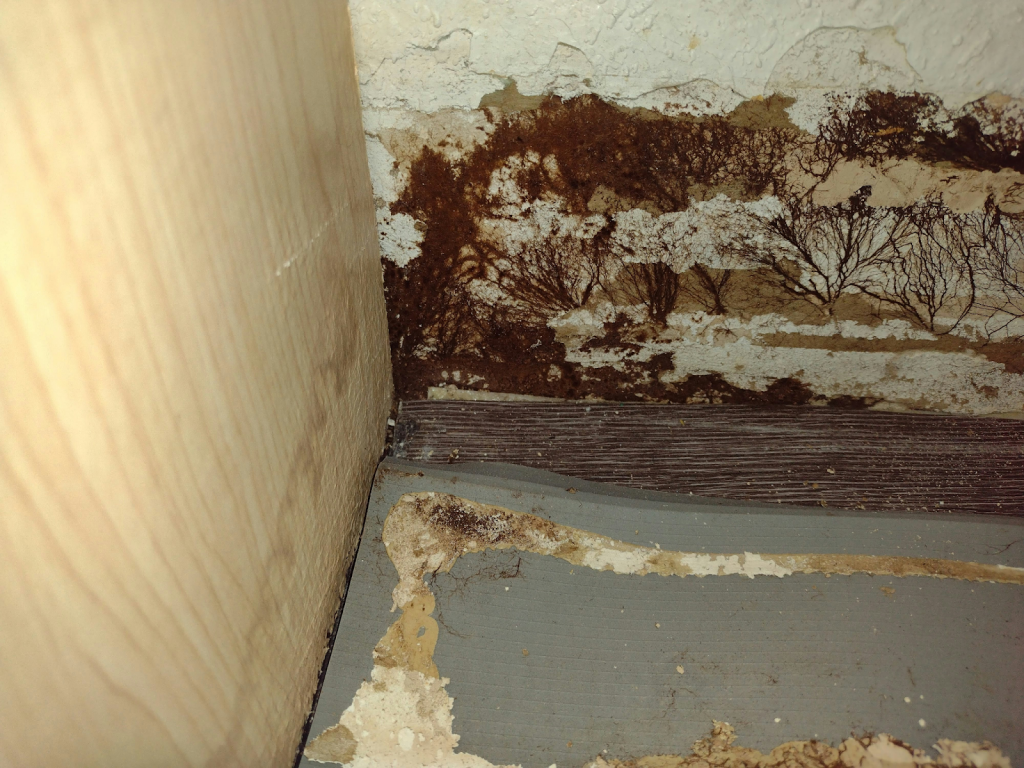
Living in a rented property comes with legal protections designed to ensure your home remains safe, secure, and fit for habitation. Yet, many tenants find themselves dealing with persistent damp, faulty heating, leaking roofs, or structural hazards that landlords fail to repair. When repeated complaints go unanswered, frustration can quickly turn into stress and health concerns. Understanding how to move from an initial complaint to financial compensation is essential. This guide explains the full housing disrepair process and how tenants can successfully pursue housing disrepair claims.
Understanding What Qualifies as Housing Disrepair
Housing disrepair occurs when a landlord neglects their legal duty to maintain the property in a safe and habitable condition. In the UK, landlord obligations are clearly set out under the Landlord and Tenant Act 1985 and reinforced by the Homes (Fitness for Human Habitation) Act 2018.
Landlords are responsible for:
- The structure and exterior of the property (roof, walls, windows, doors)
- Plumbing, gas, and electrical systems
- Heating and hot water installations
- Sanitation facilities such as sinks, toilets, and baths
- Ensuring the property is fit for human habitation
If a landlord fails to address necessary repairs within a reasonable time after being notified, tenants may have the right to take legal action.
1: Reporting the Problem
The journey from complaint to compensation begins with clear communication. Tenants must inform the landlord about the disrepair issue, preferably in writing. Emails or letters provide evidence that the landlord was formally notified.
When reporting the issue, include:
- A detailed description of the problem
- The date it was first noticed
- Any impact on your health or belongings
- A request for repairs within a reasonable timeframe
This step is crucial because legal action generally requires proof that the landlord was aware of the issue and failed to act.
2: Allowing Reasonable Time for Repairs
After receiving notification, landlords must be given reasonable time to fix the problem. What counts as “reasonable” depends on the severity of the issue.
For example:
- No heating in winter may require urgent repair within days
- Minor leaks might allow a slightly longer timeframe
- Structural issues may take longer but still require prompt action
If the landlord ignores your complaint or repeatedly delays repairs, you may proceed to the next stage.
3: Gathering Evidence
Strong evidence significantly improves the chances of success in housing disrepair claims. Tenants should:
- Take dated photographs and videos of the damage
- Keep copies of all correspondence
- Save receipts for damaged items
- Obtain medical records if health problems arise due to mould or cold
In some cases, contacting your local council’s environmental health department can provide additional support. An inspection report or improvement notice strengthens your case by confirming that hazards exist.
4: Seeking Legal Advice
If informal communication fails, consulting a solicitor who specializes in housing disrepair claims is the next logical step. Many legal firms offer free consultations and operate under a No Win, No Fee arrangement, meaning you do not pay upfront legal fees.
A solicitor will evaluate:
- Whether the landlord breached their legal obligations
- The extent and duration of the disrepair
- The impact on your daily life
- The likelihood of obtaining compensation
Legal professionals help structure your claim properly and ensure procedural requirements are met.
5: The Letter of Claim
Once instructed, your solicitor will send a formal “Letter of Claim” to the landlord. This document outlines:
- The nature of the disrepair
- The legal basis of the claim
- Required repairs
- The compensation sought
This letter often prompts landlords to act quickly. Many disputes are resolved at this stage through negotiation without proceeding to court.
6: Property Inspection and Expert Reports
In more complex cases, an independent surveyor may inspect the property to assess the severity of the disrepair. The expert report will detail:
- The repairs required
- The estimated cost
- The likely duration of the issue
- Whether the landlord breached statutory duties
This professional evaluation strengthens housing disrepair claims and supports compensation calculations.
7: Negotiation or Court Proceedings
The majority of housing disrepair claims are settled through negotiation. Landlords may agree to:
- Complete repairs within a specified timeframe
- Compensate tenants for inconvenience and financial losses
If the landlord disputes liability or refuses to cooperate, court proceedings may follow. However, most cases are resolved before reaching trial, especially when clear evidence supports the tenant’s claim.
How Compensation Is Calculated
Compensation in housing disrepair cases is not random; it is typically based on measurable factors such as:
- The severity of the disrepair
- The number of rooms affected
- The duration of the issue
- Health consequences
- Financial losses (e.g., damaged furniture or increased heating bills)
Courts often assess compensation as a percentage of the rent for the period during which the property was affected. For example, if a significant portion of the property was unusable for six months, compensation may reflect a proportional rent reduction.
Protection Against Retaliatory Eviction
One of the most common concerns tenants face is the fear of eviction after complaining. However, legal protections exist. If a local authority serves an improvement notice due to serious hazards, landlords may be restricted from issuing certain eviction notices for a specified period.
Tenants should continue paying rent during the dispute unless advised otherwise by their solicitor. Withholding rent without legal guidance can weaken your position.
Why Timely Action Matters
Delaying action can worsen both the property condition and your legal position. Damp can spread, structural damage can escalate, and health issues can become more severe over time. Early reporting, consistent follow-ups, and prompt legal advice are key to a successful outcome.
Additionally, legal claims are subject to limitation periods. Acting promptly ensures you do not miss important deadlines.
Conclusion
Navigating the housing disrepair process may seem overwhelming at first, but understanding each stage transforms confusion into confidence. From formally reporting the issue and gathering evidence to instructing a solicitor and negotiating compensation, the journey from complaint to compensation follows a structured path.
Housing disrepair claims empower tenants to enforce their rights, secure necessary repairs, and receive fair compensation for the inconvenience and harm caused by negligent landlords. Safe housing is not a luxury—it is a legal right.
If you are experiencing ongoing disrepair and your landlord has failed to act, taking informed and timely action can protect your health, restore your living conditions, and ensure accountability. By following the proper process, tenants can move from frustration to resolution with clarity and confidence.