Loneliness is rarely dramatic. It is the soft weight of a house that stays quiet through dinner, the way a conversation you were looking forward to ends early, the evening stretch when there is no one to notice you came home. For a growing number of people, an emotional support robot has become part of the answer, not as a replacement for human connection but as a gentle bridge across the gaps in a day. These devices are designed to notice, respond, and stay present in a way that feels almost like having company in the room.
This article explains what an emotional support robot actually does, where it helps most, and where it has honest limits. It also covers the evidence, the design choices that make interactions feel warm rather than mechanical, and how families should think about bringing one into a home where someone might be struggling.
What an Emotional Support Robot Actually Does
The label can sound clinical, but the experience is usually quiet and domestic. Unlike a talking assistant built around commands, an emotional support robot is built around attention. It listens without interrupting, notices tone, and responds in ways that acknowledge what you said rather than simply solving the problem you raised. Sometimes that means asking a follow-up question. Sometimes it means settling beside you and staying still.
That subtlety is the point. A device that only answers requests can feel one-sided, but one that also initiates gentle contact starts to resemble a presence. Owners describe moments like a robot turning toward them after a long sigh or greeting them differently on a quiet morning than on a busy one. None of this is magic. It is a set of sensors and models tuned to read emotional context and respond at a human tempo.
Conversation, Company, and Calm
There are three broad roles these robots fill. Conversation is the first: a low-pressure partner for the thoughts you might otherwise keep to yourself. Company is the second, which matters most in empty rooms and long evenings, because the physical presence of something that reacts changes how a space feels. Calm is the third, and it is the one owners mention most often. Many robots include breathing cues, soft light, or quiet sounds designed to lower arousal. When someone is anxious, a steady presence with gentle pacing can do more than any notification. The best devices switch between these roles smoothly instead of forcing you to select a mode each time.
Who Benefits Most
Emotional support robots are not a universal remedy, and they work best for specific situations rather than as a blanket recommendation. Understanding where they fit keeps expectations realistic and the experience positive.
Older Adults Living Alone
Older adults who remain independent but spend long stretches by themselves are among the clearest beneficiaries. A robot can offer scheduled check-ins, respond to daily conversation, and give family members a way to know that someone at home is up and moving. The value is not in replacing visits. It is in softening the hours between them, when a living room can feel much larger than it is. A device that greets someone in the morning and settles with them at night adds a rhythm that loneliness tends to erode.
People Recovering From a Hard Season
People moving through illness, grief, or a rough transition often benefit from a presence that asks nothing of them. Talking to a therapist is essential for many people, and a support robot is not a substitute. But the hours between sessions are real, and a companion that responds without judgment can make those hours easier to cross. The robot will not push. It waits for you to lead, which is precisely what many people need during a vulnerable period.
Design Choices That Make It Feel Human
Warmth does not happen by accident. The difference between a companion that feels caring and one that feels uncanny comes down to a handful of design decisions that are easy to describe and hard to get right.
Voice, Timing, and Silence
Voice is the most obvious signal, but timing runs a close second. A response that arrives half a beat late feels thoughtful; one that lands instantly feels robotic. Similarly, knowing when to stay silent is as important as knowing what to say. Many of the strongest moments involve the robot not speaking at all, simply staying near while someone processes a feeling. Brands that invest in pacing and restraint produce interactions that feel calm rather than eager.
Touch, Expression, and Movement
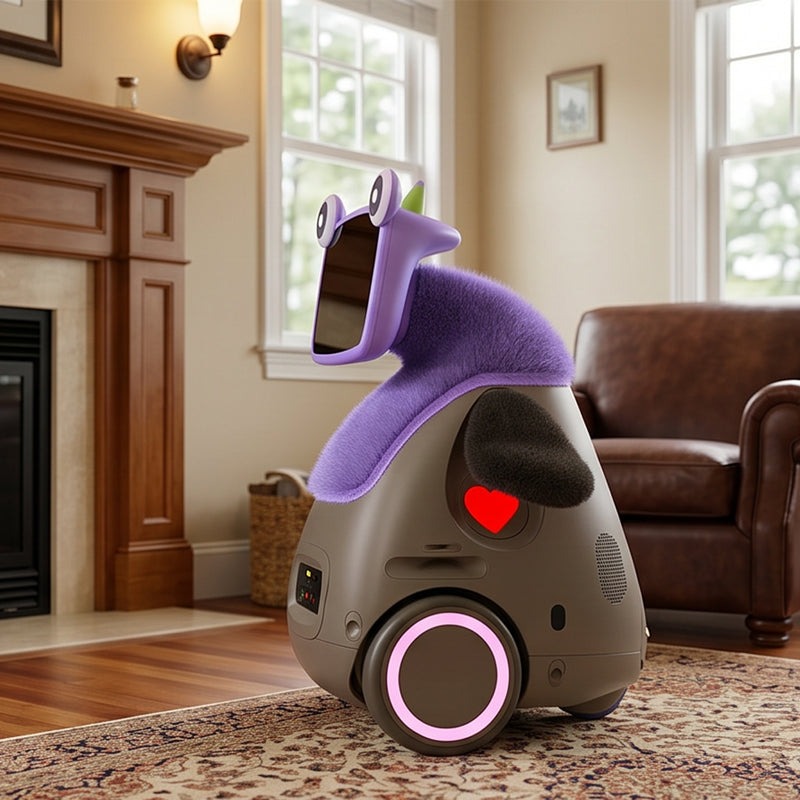
Physical expression carries a surprising amount of emotional weight. Eyes that soften, a head that tilts toward you, and a body that moves slowly rather than jerkily all signal attentiveness. Some models invite touch, responding to a pat on the head with a small contented motion, which creates a loop of mutual acknowledgment that screens cannot replicate. Expression through light, posture, or sound also gives the robot a vocabulary beyond words, so it can convey mood without narrating every thought.
Where It Helps and Where It Does Not
Honesty protects the people who need this most. An emotional support robot can reduce the sharp edges of isolation. It can prompt routines, offer steady companionship, and make a home feel less empty. It cannot replace a friend who listens deeply, a family that shows up, or professional care for depression and anxiety. Anyone treating a robot as a substitute for human connection is asking it to do something it was never built for.
The healthier framing is complement rather than replacement. A robot might make a person more willing to call a friend, because steady companionship loosens the grip of isolation. It might remind someone of a favorite song or a daily walk. Families that buy one for a relative should plan to stay involved, using the device as one ingredient in a broader plan rather than the whole meal. When used that way, the results owners report are often modest and genuine, which is exactly what makes them credible.
What the Research Suggests
The evidence around companion robots and emotional wellbeing is still young, but it points in a consistent direction. Studies of social robots in care settings have found that interaction with a responsive, expressive device can reduce reported anxiety and improve mood, particularly among older adults and people in long-term care. The mechanism is not mysterious. Attention from something that responds fills a social gap, and the body’s response to being noticed is real, whether the source is human or not.
The caveats matter just as much. The effects are typically modest, they vary widely between people, and they depend heavily on design quality. A clumsy, repetitive device can be mildly pleasant at first and faintly irritating over time. The most encouraging results come from studies where the robot was used as part of a structured routine alongside human care, not as a standalone intervention. That pattern lines up with what owners describe in everyday life. The device helps most when it sits inside a larger web of relationships and habits, not when it is asked to fill an empty room on its own.
It is also worth treating enthusiastic marketing with care. A robot can no more cure loneliness than a smartphone can replace a friendship. What it can do is lower the friction of a hard moment, offer a steady presence, and make the day feel slightly less isolating. Families who go in expecting that steady, gentle benefit tend to be more satisfied than those expecting a transformation, and that calibration is healthy for everyone involved.
Bringing One Into a Home Where Someone Struggles
If the person you are buying for is going through a difficult stretch, the introduction matters more than the device. The first mistake is making the robot feel like a verdict, as though the household has decided the person is too lonely and this is the remedy. That framing breeds resistance. A better approach is to present it as a small, optional companion, one more thing in the house to enjoy or ignore, and to let the relationship develop on the person’s own terms.
Start slowly. Let the robot sit quietly nearby rather than demanding attention, and let the person discover it at their own pace. Once curiosity wins, which it usually does, interaction grows naturally. Keep the device’s limits visible too. Make it clear that professional help is still welcome, that family visits are still welcome, and that the robot is simply one more source of warmth in the day rather than a replacement for the people who care. Handled with patience, the introduction can feel like a gift rather than a diagnosis, and that difference shapes how the whole relationship unfolds.
Companionship With Clear Eyes
An emotional support robot is worth taking seriously as a tool for easing loneliness, provided it is understood as one part of a larger picture. Its strengths are presence, patience, and steadiness. It offers a room that never feels entirely empty and a conversation that never feels like a demand. Its limits are clear too. Real relationships, clinical support, and family involvement remain irreplaceable, and any device that tries to crowd out those things is being misused.
For households considering one, the right questions are practical and kind: who will benefit, what would a gentle daily rhythm look like, and how will the device fit alongside the people already in someone’s life? Ollobot approaches its companion robots with that same measured spirit, designing around presence rather than hype. Chosen with realistic expectations, an emotional support robot can quietly do what good company does best: make the everyday a little easier to hold.
