Yes, solar batteries can save money on smart tariffs because they let you use electricity when it is cheapest and avoid buying power when prices rise. A battery stores surplus solar generation during the day, then supplies that stored energy later in the evening when household demand often peaks. On a smart tariff, that same battery can also charge from the grid during lower-cost overnight periods and discharge during expensive time slots. This makes battery storage more valuable than simple solar-only systems for many UK homes. The level of savings depends on your tariff structure, energy habits, battery size, and solar output, but the principle is straightforward: buy less electricity at high rates and make better use of the energy you already generate.
How Smart Tariffs Change the Value of Solar Batteries
Understanding Smart Tariffs and Time-Based Energy Prices
Smart tariffs charge different electricity rates at different times of day, instead of applying one flat unit price. In the UK, prices are often lower overnight when grid demand falls and higher in the late afternoon and evening when demand rises. This time-based pricing changes how homeowners think about battery storage. Without a battery, surplus solar may be exported during the day while the home still buys electricity later at a higher evening rate. With a battery, more of that daytime generation can be kept for use when electricity costs more. Some tariffs also reward households that can shift demand away from peak periods, making a battery a practical tool for improving self-consumption and reducing exposure to expensive imports.
Why Battery Storage Helps Shift Your Energy Usage
Battery storage adds flexibility to a home energy system by separating when electricity is generated, purchased, and used. Instead of consuming power only when solar panels are producing or when the grid is cheapest, you can store energy and use it later when it delivers the greatest value. That matters on smart tariffs because savings come from timing as much as total consumption. A battery can absorb excess daytime solar, hold low-cost overnight electricity, and discharge during peak-rate hours when household appliances are active. This load shifting reduces reliance on expensive grid imports and improves the financial return from solar. It also gives homeowners more control over energy use, especially during evening demand spikes.
Ways Solar Batteries Can Reduce Your Electricity Costs
Store Solar Power Instead of Buying Peak-Rate Energy
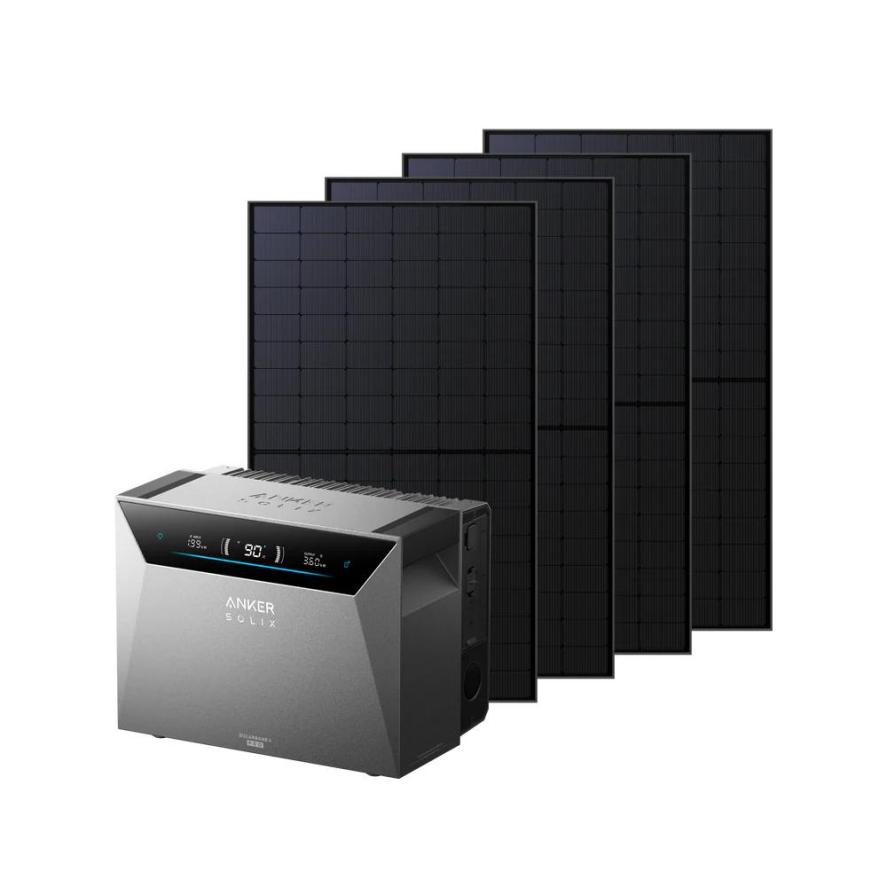
One of the clearest ways a solar battery cuts bills is by storing excess midday generation for evening use. Many households generate most solar electricity when they are out or using less power, but they need more energy later for cooking, lighting, heating controls, and devices. Without storage, that gap often means exporting solar cheaply and then buying grid electricity at peak rates. A battery closes that mismatch. For example, a system such as the Solarbank 4 E5000 Pro offers 5kWh of base storage, expandable to 30kWh, which can cover a standard UK household through the night. By keeping more of your own solar on site, you reduce costly evening imports and improve solar payback.
Use Off-Peak Charging to Improve Battery Savings
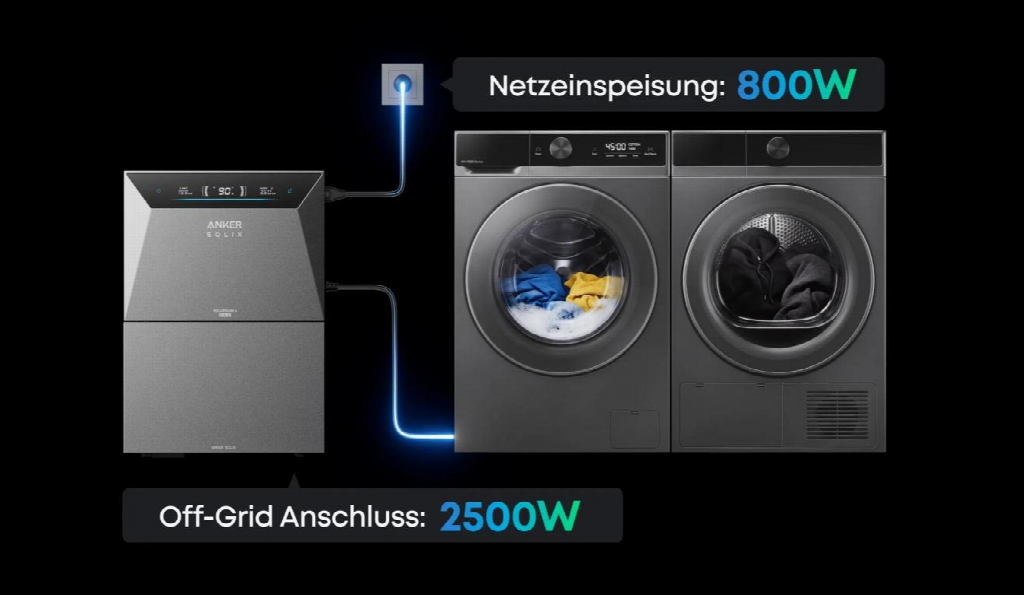
Solar batteries can also save money even when solar generation is low, because smart tariffs often offer cheaper overnight electricity. Charging the battery during off-peak periods lets you run parts of the next day on lower-cost energy instead of paying higher daytime or evening rates. This strategy is especially useful in winter, when shorter days reduce solar output. The benefit depends on having a battery and system that support efficient charging and tariff compatibility. The Solarbank 4 E5000 Pro includes 2,500W bidirectional charging, 800W grid-tied output, and compatibility with more than 870 electricity suppliers, including Octopus, making time-based charging easier to integrate into everyday use and routine household energy management.
Factors That Affect Solar Battery Savings in the UK
Home Energy Habits, Battery Size and Daily Consumption
Savings improve when your battery size matches your normal household demand and usage pattern. A home that uses more electricity in the evening can benefit strongly from stored solar or off-peak charging, while a home with heavy daytime usage may already consume much of its solar directly. Battery capacity matters because undersized storage may empty too early, while oversized systems can leave capacity unused for long periods. Daily consumption, appliance timing, and whether you run heat pumps, washing machines, or EV charging at certain hours all affect value. The best outcomes usually come from using the battery consistently, shifting flexible loads where possible, and choosing a system sized around realistic daily energy behaviour rather than ideal estimates.
Tariff Rates, Solar Generation and Seasonal Changes
The gap between cheap and expensive tariff periods plays a major role in battery savings. A wider spread between off-peak and peak rates creates more opportunity to charge low and avoid buying high. Solar generation also affects results, with strong spring and summer output giving the battery more free electricity to store. In autumn and winter, shorter daylight hours and poorer weather reduce solar surplus, so off-peak grid charging often becomes more important. System performance matters too. A setup designed for up to 12 panels, 5,000W maximum MPPT capability, and estimated annual generation of 5,586kWh can create substantial charging opportunities, but actual savings still depend on roof conditions, orientation, shading, and the tariff you choose.
Conclusion
Solar batteries can save money on smart tariffs, and for many UK households they make solar power far more useful after sunset. The key advantage is timing: store excess solar when it is available, charge from the grid when rates are low, and avoid importing electricity when prices peak. That combination can reduce bills, raise self-consumption, and improve the overall value of a home energy system. The strongest savings usually come from matching battery capacity to real household demand and choosing a tariff with clear off-peak benefits. For homeowners who want more control over when they buy and use electricity, a battery is not just backup storage. It is a practical tool for turning tariff flexibility into measurable everyday savings over time.