Direct sourcing can bring fresher seafood, more choice and a welcome change of pace to family dinners. Instead of relying solely on whatever happens to be available locally, households can arrange chilled deliveries for a specific day and build a meal around the catch.
This approach still calls for sensible planning. Delivery timing, cold storage and straightforward recipes matter when perishable food arrives at your door. Once those details become part of the routine, a seafood supper can feel as manageable as pasta or a traybake. Getting hold of sustainably caught fish is also simpler than ever when you use reliable seafood delivery services to bring restaurant-quality catches straight to your kitchen door.
How Cold-Chain Shipping Changed Home Cooking
Cold-chain shipping keeps perishable food within a controlled temperature range as it moves from the supplier to the customer. Insulated packaging, refrigerants and timed courier services have made it possible to send fresh seafood over long distances without treating it like an ordinary parcel.
That has widened the choices available to home cooks. A family can order for a birthday dinner, a weekend gathering or an ordinary Tuesday when everyone wants something different. Direct ordering also makes it easier to select a pack size that matches the number of people at the table, which can limit leftovers and unnecessary expense.
The practical side begins with the delivery date. Choose a day when somebody will be available to receive the parcel, then leave space in the fridge before it arrives. A delay of several hours on a doorstep may undo the care taken during packing, especially in warm weather.
Direct sourcing can also sit alongside other forms of household food support. Guides to choosing a meal prep service suggest checking ingredient quality, flexibility and delivery arrangements, all of which are useful questions for seafood orders too. Families comparing a personal chef and meal delivery may find that occasional direct orders offer a useful middle ground. You still cook the food yourself, but much of the sourcing has already been handled.
This convenience matters most when it removes friction from dinner without creating a new logistical headache.
Choosing Reputable Online Fishmongers
Start by checking what the seller tells you before asking for payment. Product pages should identify the seafood clearly, state how it is sold and explain whether it arrives live, chilled, frozen or prepared. Look for delivery information, storage directions and a visible route for contacting customer service.
Pack size deserves close attention. “By the pound” and “by the dozen” can produce very different quantities, while shell size affects both cooking time and how a dish is served. For example, smaller clams may suit pasta or a light broth, while prepared stuffed portions may work better when you need a quick starter. When comparing clams for sale, check the choice between live Maine steamer clams by the pound, littnecks by the dozen and prepared stuffed clams before settling on the meal.
Customer reviews can help, though they should be read carefully. Recent comments about packaging, arrival condition and support are more useful than a simple star rating. One late courier delivery doesn’t necessarily reveal a pattern, but repeated reports of warm packages or unclear instructions should give you pause.
Check the delivery area and cut-off time as well. An appealing product is no use if it cannot reach your address on the required day. Some suppliers dispatch only on selected weekdays, so ordering for a Saturday dinner may require delivery on Friday and overnight storage at home.
Price comparisons should include delivery charges and usable quantity. A lower headline price can cost more once shipping is added, while a larger pack may represent poor value if half of it goes unused.
Unboxing and Handling Live Ocean Produce
Open the parcel as soon as it arrives and read the enclosed instructions before removing every layer. Packaging methods differ, so the supplier’s directions should take priority over assumptions based on a previous order.
Live shellfish should generally smell clean and briny, not sour or strongly unpleasant. Shells may be closed or may respond when gently tapped. Discard any shellfish that are broken, and follow the seller’s guidance if an item appears unresponsive. If the package arrives damaged, unusually warm or later than promised, photograph it and contact the supplier promptly.
Move live produce into suitable refrigeration without sealing it in an airtight container or submerging it in fresh water. A bowl or tray covered with a clean damp cloth is often used for short-term storage, but exact handling instructions can vary by species. Keep it separate from ready-to-eat food and place it low in the fridge so that liquid cannot drip onto other ingredients.
Good kitchen hygiene matters here. Wash your hands before and after handling the delivery, clean the sink and worktop and use separate utensils for uncooked food. Cook shellfish thoroughly and avoid serving any that remain closed after cooking. People who are pregnant, older or immunocompromised should seek current medical guidance about seafood choices and food safety.
The unboxing process becomes far easier if dinner support is organised around the household’s needs. That principle also appears in discussions of home-care support, where practical help can protect routines and independence. In the kitchen, one person might receive and refrigerate the order while another handles preparation later.
Quick Weeknight Suppers from the Sea
Seafood works well on busy evenings because many varieties cook in minutes. The key is to prepare the base of the meal first. Warm the sauce, cook the grains or chop the vegetables before adding shellfish, since overcooking can quickly affect texture.
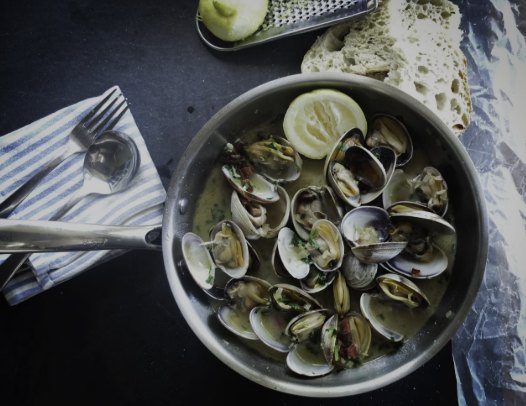
For a simple clam pasta, soften garlic in olive oil, add tomatoes or a splash of stock and let the sauce simmer. Add cleaned clams, cover the pan and cook until the shells open. Toss through cooked spaghetti with parsley and lemon, then discard any unopened shells before serving.
A one-pot broth offers even less washing-up. Cook sliced leeks or onions until soft, pour in stock and add diced potatoes. Once the potatoes are nearly tender, add the seafood and cover the pot until everything is properly cooked. Bread on the side turns it into a filling family meal without another pan.
Prepared seafood portions can also fit beside familiar staples such as salad, steamed vegetables or rice. This helps children encounter a new ingredient without facing an entirely unfamiliar plate. Serve sauces separately and let each person choose their own amount.
If direct sourcing becomes a regular habit, avoid booking deliveries for every evening. A monthly seafood night or an order for a family occasion is easier to manage and keeps the meal feeling distinctive. Households already using one of the tested meal delivery services can reserve direct seafood orders for evenings when they have time to cook together.
Plan leftovers before opening a large pack. Cooked seafood should be cooled and refrigerated promptly, then used within the supplier’s recommended period. It can become lunch the next day in a rice bowl or a warm potato salad, provided it has been handled safely.
The best direct-sourced dinner is one that reaches the table without turning the evening into an event-management exercise. Clear the fridge, prepare the side dishes first and keep the cooking method simple enough for everyone to enjoy the result while it is hot.