Cross-border deals are won and lost in the seconds it takes to answer a question in someone else’s language. A polished slide deck matters, but the moment a supplier asks a follow-up in rapid-fire Mandarin or a Berlin buyer switches to German for a side comment, the tone of the whole meeting depends on how quickly the visiting executive can respond. Phone-based translation apps have helped, yet they demand attention that a professional negotiation cannot spare. A dedicated handheld translator solves the same problem without pulling a phone into the middle of a handshake.
This guide is aimed at frequent business travelers, procurement leads, and account managers who spend real time in foreign markets. It covers how to select a translator that keeps pace with a working meeting, how to prepare it before a trip, and how to fold it into the day-to-day rhythm of international travel. The focus is practical: winning more meetings, closing more calls, and looking like the kind of partner an overseas client wants to do business with again.
Why Meetings Still Break Down Across Languages
Every international traveler knows the awkward pause. A question comes across the table in a language you half-remember from a university course, and the room waits while you consult a phone screen. Even fluent negotiators feel this friction when the topic drifts into legal clauses, technical specs, or regional slang. Free translation apps promise a fix but rely on cellular data, drift into odd phrasings on business vocabulary, and force the speaker to hold up a phone that looks and feels like a distraction. In a meeting where trust matters, that friction has a cost.
A purpose-built ai translator device removes most of that friction because it is designed to do one job and do it fast. It handles offline languages when the hotel Wi-Fi drops, keeps latency low so the conversation flows, and looks like a professional instrument rather than a consumer gadget. That change in perception matters — a business partner reads the tool as a sign of preparation, not as evidence that the visitor is winging it.
Features That Actually Matter on a Business Trip
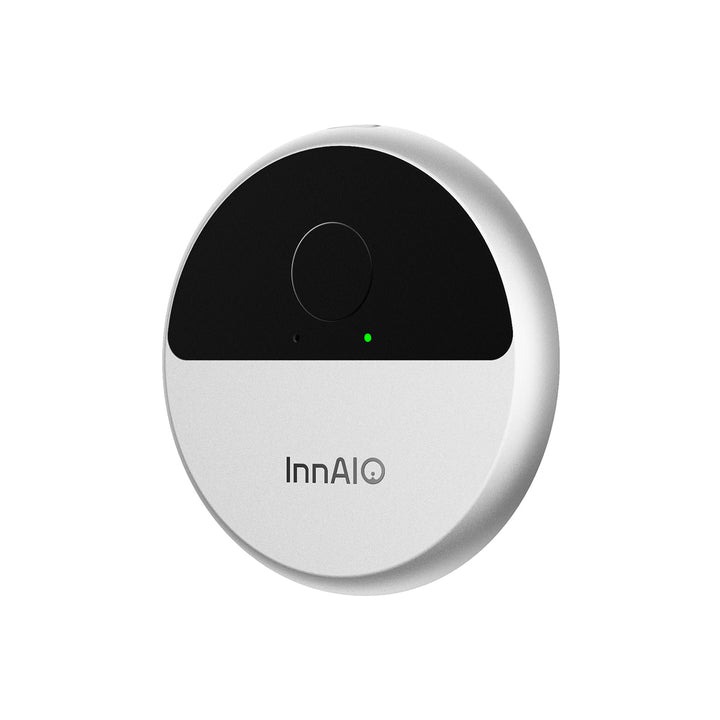
Translator specifications can be a wall of numbers. Cut through the noise by asking whether the device solves the three problems that come up on every trip: catching the counterparty’s question accurately, delivering a clean response the other side hears, and doing both without an internet connection when the venue lacks reliable coverage. Simultaneous mode helps in fast conversations because it lets both sides speak in near real time rather than trading pauses. Directional mics matter more than raw language counts, because you rarely need eighty languages on one trip — you need the two languages in the room to work flawlessly.
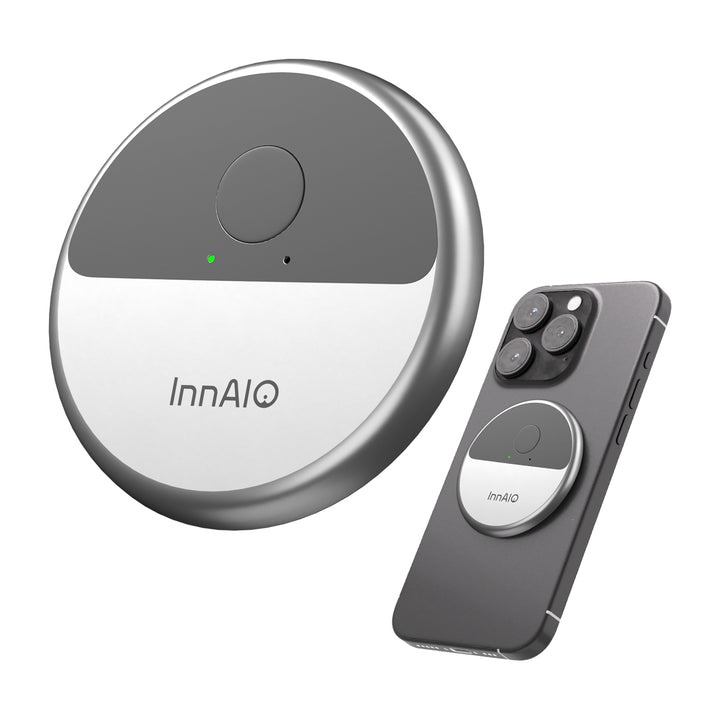
Look also at the physical form. A pocketable device that stands on a conference table without wobbling gives the meeting a calmer feel. Battery life should stretch across a full day of back-to-back meetings so you never need to hunt for an outlet between sessions. Consider models that record and translate at the same time, because a translated transcript is a quiet gift to whoever writes the trip report on the flight home.
Offline Capability and Regional Coverage
Business travel routes rarely align with strong data coverage. Trade shows in secondary cities, factory visits in industrial parks, and dinners in older neighborhoods all tend to have patchy signal. A translator that handles the most common language pairs entirely offline is the difference between a smooth meeting and an apologetic scramble. Before a trip, confirm the languages you need are supported offline, not just online, and download regional packs in advance so the device works the moment you land.
Preparing the Device Before You Fly
A translator that sits in a drawer for months and gets rediscovered in the airport lounge is the one that fails at customs. Treat it like any professional tool: charge it fully, update firmware two days before the flight, and confirm the language packs you need. Pair it with your phone once so notifications work overseas, and set a default translation direction that matches the meetings you have booked. Slip a short reference card into the same bag pocket with the currency and language conventions of the destination so the device is not the only thing carrying context.
Consider a practical dress rehearsal the day before you fly. Record a short mock negotiation in the language of your destination and play back the translation to make sure the vocabulary handles your industry’s terms. Technical fields, legal work, and finance often use jargon that generic translators smooth over into vague equivalents, which is fine for tourism and disastrous for a contract negotiation. If the device offers custom vocabulary or domain modes, load them with the twenty terms most likely to come up in your meetings and any proper nouns for the counterparty’s company.
Using the Device in Live Meetings
The first ten seconds of a meeting set the tone. Place the translator on the table before pleasantries begin, briefly note what it is, and offer to switch off recording if the counterparty prefers. This small courtesy earns permission and prevents any impression of surveillance. During the meeting, hold conversational turns slightly longer than you would in your native language to give the device a clean segment to process, and repeat any figure the translator may have blurred — numbers and proper nouns are the two categories where mistranslation causes the most trouble.
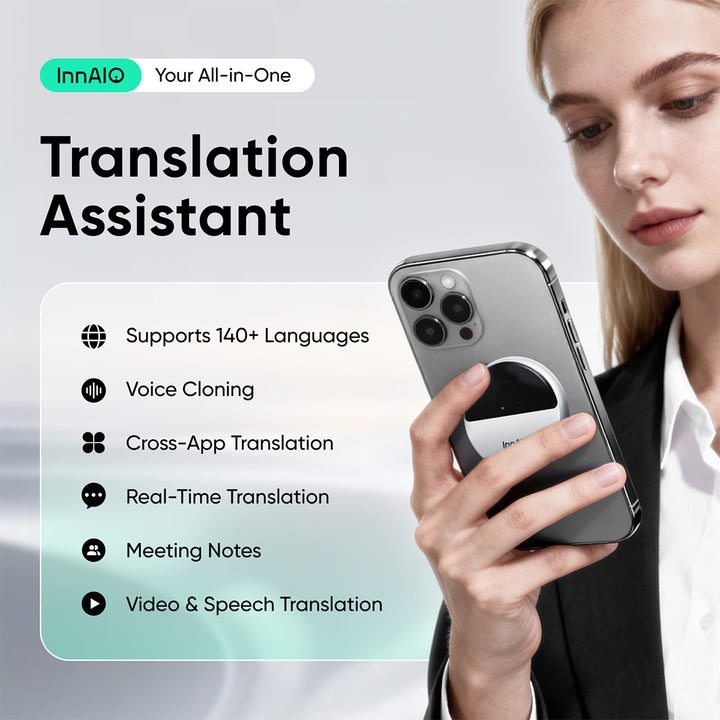
Between meetings, review the translated transcript for the exact wording of any commitment either side made. This is where the device shows its real value: it converts a fuzzy memory of an afternoon negotiation into a written record you can quote back the next morning. INNAIO’s translator lineup is designed with this after-meeting review in mind, exporting transcripts that read cleanly enough to paste directly into a follow-up email. Small teams find this workflow especially valuable when there is no local interpreter, because the visitor can walk into a meeting alone and still leave with a defensible record of every commitment made.
Building Long-Term Client Relationships
Language is only the first layer of communication. Once the words are working, the relationship depends on the smaller signals — remembering a counterparty’s preferred greeting, using the local term for a courtesy title, and knowing when a joke will land. A good translator supports these by giving the visitor a chance to hear phrases repeated in real conversation and by transcribing informal moments so patterns become visible over time. Frequent travelers begin to internalize the most common exchanges, which frees the device for the harder work of technical discussions and legal detail.
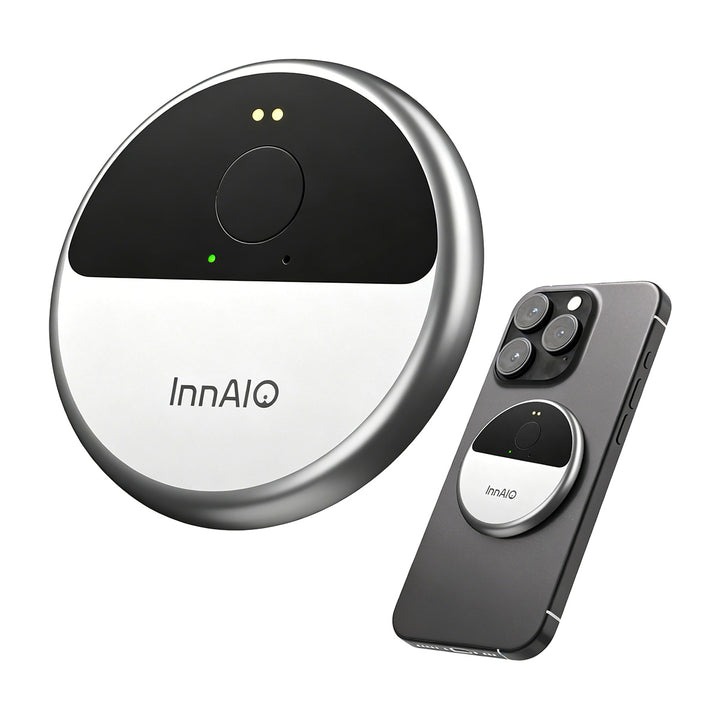
Over a year of trips, this habit compounds. Sales teams close deals faster because their notes are precise, procurement teams push back on specifications with confidence because they understand exactly what a supplier promised, and executives return home able to brief their teams on nuances that would have been lost with app-based translation alone. Marketing teams pick up on regional turns of phrase that make their materials sound native rather than translated. Legal reviewers flag ambiguous language early instead of discovering it during contract review. The single device becomes an institutional asset shared across the trips a company sends every year.
Choosing the Right Companion for International Work
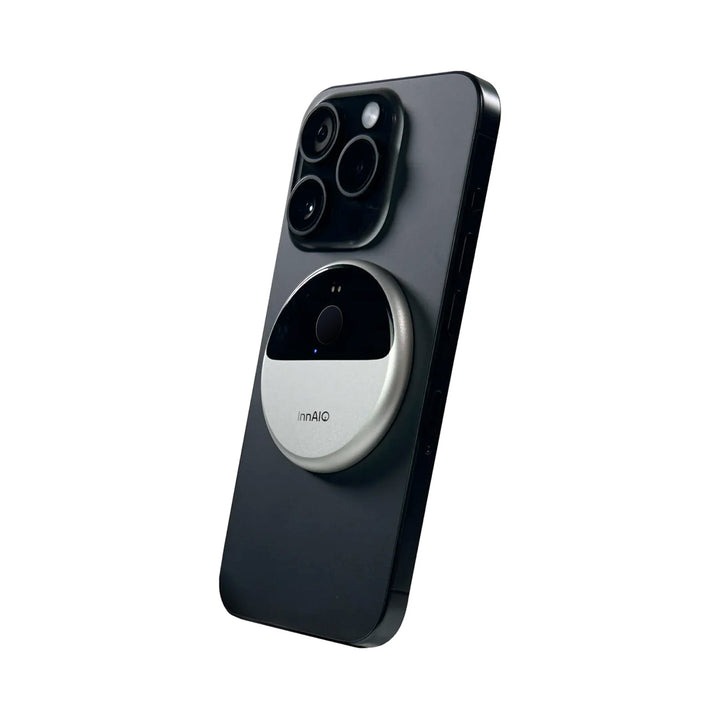
An AI-powered handheld translator earns its place in a business traveler’s bag not because it is new technology, but because it removes friction from the moments that decide the outcome of a trip. Fast conversational turns, reliable offline performance, clean transcripts for the record, and a design that fits into a professional setting are the qualities that separate a working tool from a novelty. Buyers should test the device on the specific language pair they need most, prepare it before every trip as carefully as they prepare their briefing notes, and treat the recorded transcripts as an extension of their meeting minutes. Done well, the translator disappears into the workflow and simply lets the visitor be the version of themselves that speaks the client’s language. That is the version international partners remember, and the version that comes home with signed contracts instead of a stack of near-misses.