Understanding Hair Transplant For Women And Available Hair Restoration Options
Hair loss is often mistakenly viewed as a purely male concern, yet millions of women experience thinning hair that impacts their self-esteem. While temporary fixes like volumising sprays or hairpieces offer short-term relief, permanent solutions are becoming increasingly popular. If you are seeking a reliable, long-term remedy, looking into an FUE hair transplant in Bournemouth provides a highly effective pathway to restoring your natural hairline. Modern clinical advancements mean that female hair restoration is no longer a taboo subject, but a scientifically proven medical option. Understanding how these procedures work helps you make an informed decision about managing progressive hair thinning and restoring your confidence.
The Unique Nature of Female Hair Loss
Unlike male pattern baldness, which typically manifests as a receding hairline or a distinct bald spot on the crown, female hair loss presents differently. Women generally experience diffuse thinning across the entire scalp, with the frontal hairline often remaining intact. This pattern, classified under the Ludwig Scale, makes diagnosing and treating female hair loss a specialised task. Hormonal fluctuations, genetic predisposition, thyroid imbalances, and nutritional deficiencies all play significant roles in triggering this condition.
Because the thinning is widespread, finding the right donor area requires a detailed clinical assessment. It is vital to distinguish between temporary shedding, known as telogen effluvium, and progressive androgenetic alopecia. While lifestyle adjustments and topical treatments can stabilise early-stage thinning, advanced cases often require surgical intervention to achieve noticeable density. For those living on the south coast, consulting specialists who perform hair transplant women in Bournemouth ensure a tailored approach that respects the specific characteristics of female hair loss. Experienced surgeons assess hair follicle health and donor site viability before recommending a surgical plan, ensuring that the final outcome looks completely natural and blends seamlessly with your existing hair pattern.
During a clinical evaluation, specialists use trichoscopy to examine the scalp under high magnification. This diagnostic tool measures hair density and shaft diameter, helping to identify the percentage of miniaturised hairs. Recognising these patterns early allows clinicians to design a targeted treatment plan that addresses both active hair loss and future thinning trends.
What is FUE and How Does It Work?
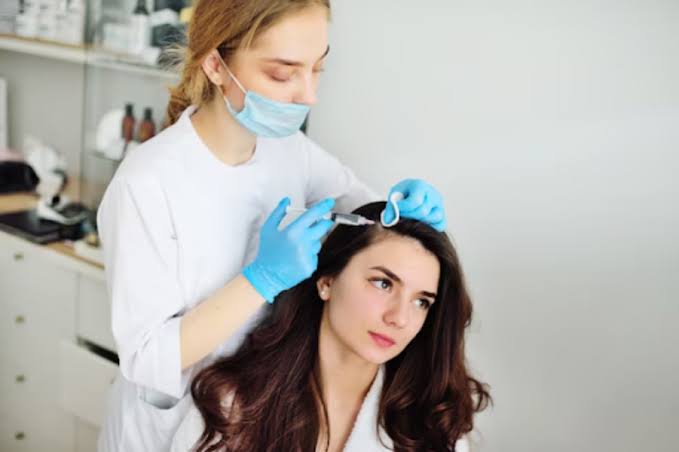
Follicular Unit Extraction, commonly known as FUE, represents the gold standard in modern hair restoration. This minimally invasive surgical technique involves extracting individual hair follicles from a donor area, typically the back or sides of the head where hair is genetically programmed to resist thinning, and transplanting them into the recipient areas. Because the procedure harvests follicles one by one using a micro-punch tool, it leaves tiny, dot-like scars that are virtually invisible to the naked eye, even with short hairstyles.
The Extraction and Implantation Process
The entire procedure takes place under local anaesthetic, ensuring minimal discomfort. The surgeon carefully extracts the follicular units, which are then prepared under a high-powered microscope to ensure their viability. Next, the surgeon creates tiny recipient sites in the thinning areas, paying meticulous attention to the angle, depth, and direction of natural hair growth. This precision is crucial for achieving a natural-looking result, especially along the parting. Opting for an advanced FUE procedure gives patients access to state-of-the-art clinics equipped with the latest refinement tools, ensuring high graft survival rates and minimal downtime during recovery.
Tailoring Hair Transplants for Female Patients
Surgical hair restoration for women requires a different strategic approach than male procedures. One of the primary concerns for female patients is the prospect of shaving their heads. Fortunately, advanced clinics offer non-shaven or partially shaven techniques, where only a small, easily concealable band at the back of the head is trimmed to harvest the donor grafts. The surrounding long hair completely covers this area immediately after the procedure, allowing patients to return to their social and professional lives without drawing attention to their treatment.
Designing a Feminine Hairline
The aesthetic goals for female hair restoration focus on restoring density rather than reshaping a significantly receded hairline. A surgeon must carefully reconstruct the parting and density zones to create the illusion of fullness. When researching options for a hair transplant women in Bournemouth, it is essential to choose a clinic with specific expertise in female aesthetics. The surgeon must place the grafts with variable density, using single-hair grafts at the very front and multi-hair follicular units further back to mimic natural growth. This delicate artistry ensures that the transplanted hair flows naturally, allowing for versatile styling options post-recovery.
Recovery, Timeline, and Expected Results
The recovery process following an FUE procedure is relatively straightforward, but patience is essential to see the final outcome. Immediately after the surgery, the scalp may exhibit minor redness, swelling, and tiny scabs around the graft sites. These side effects typically subside within a week. Patients receive detailed aftercare instructions, which include sleeping in an elevated position, avoiding strenuous exercise for two weeks, and using a specialised gentle shampoo to wash the scalp without dislodging the newly implanted grafts.
Understanding the Growth Cycle
A crucial phase of the recovery timeline is “shock loss,” which occurs between two to six weeks after the procedure. During this time, the newly transplanted hair shafts shed. This is a completely normal part of the process; the hair follicles remain healthy and active beneath the skin. New hair growth begins to appear around the three-to-four-month mark. Significant improvements in density are visible at six months, with the final, mature results fully apparent between twelve and eighteen months. Choosing a local provider for your FUE hair transplant in Bournemouth ensures convenient access to essential post-operative follow-up appointments, allowing your specialist to monitor your progress and offer guidance throughout this transformative growth cycle.
Alternative and Complementary Restoration Therapies
While surgical restoration offers the most permanent solution for advanced thinning, non-surgical therapies can play an invaluable role in a comprehensive treatment plan. Many specialists recommend combining surgical intervention with complementary therapies to preserve existing hair and boost the overall thickness of the scalp. For instance, Platelet-Rich Plasma (PRP) therapy involves using the patient’s own concentrated blood platelets to stimulate dormant hair follicles and accelerate healing after surgery.
Medical and Light-Based Options
Low-Level Laser Therapy (LLLT) is another popular non-invasive option that uses therapeutic light energy to improve cellular activity in the hair follicles. Additionally, topical treatments such as Minoxidil remain a cornerstone of female hair loss management, helping to prolong the growth phase of the hair cycle. Discussing these options during your consultation for a hair transplant women in Bournemouth helps establish a holistic approach to hair health. By combining the immediate density gains of a surgical transplant with the preventative power of non-surgical therapies, patients can protect their investment and maintain a full, healthy head of hair for decades to come.
These combined protocols are particularly beneficial for women experiencing progressive thinning, as they stabilise active hair loss in the surrounding untreated areas, preventing the need for secondary surgical procedures in the future.
Conclusion

Female hair loss is a complex challenge, but modern hair restoration techniques offer reliable, life-changing solutions. An FUE hair transplant in Bournemouth provides a highly precise, minimally invasive way to address diffuse thinning and restore natural hair density without leaving significant scarring. By understanding the unique patterns of female hair thinning and selecting a clinic experienced in the nuances of female hairline design, you can achieve seamless, natural results. Whether you choose to undergo a surgical procedure or combine it with advanced non-surgical therapies, taking action early is the key to preserving your hair and regaining your confidence. Consult a qualified local specialist today to begin your personal hair restoration journey.